
For decades the message has been simple: the sun is dangerous, sunscreen is the shield, and skipping it is courting cancer. But a closer look at the regulatory record raises an uncomfortable question. What if some of the ingredients marketed to protect your skin are ones your own body cannot fully process? And what if the fear of sunlight itself, the most ancient input your biology evolved around, has been oversold?
This is not an argument to abandon sun protection. It is an argument for understanding what is actually in the bottle, what the research says about it, and what a fuller approach to sun health looks like from the inside out.

What the FDA Actually Found
Of the sixteen active ingredients the FDA has reviewed for sunscreen, only two currently carry its “Generally Recognized as Safe and Effective” (GRASE) designation: zinc oxide and titanium dioxide, the mineral filters. The other twelve, including oxybenzone, avobenzone, octocrylene, octinoxate, octisalate, and homosalate, are synthetic compounds derived from petrochemical feedstocks, and they remain in regulatory limbo. Not banned, but not confirmed safe either. That said, even titanium dioxide is not entirely free of debate: some inhalation and tumor studies on its safety have shown conflicting data, which is part of why zinc oxide, not titanium dioxide, is generally the stronger pick for a single-active mineral formula.
That gap exists because of the agency’s own research. In a 2019 study published in JAMA, and a larger 2020 follow-up, FDA researchers had volunteers apply commercial sunscreens under realistic, maximal-use conditions. Avobenzone, oxybenzone, octocrylene, homosalate, octisalate, and octinoxate were all absorbed into the bloodstream above the agency’s own safety threshold, the concentration above which additional toxicology testing is required. Oxybenzone showed the fastest, highest absorption of the group. Read the study
To be fair, the FDA has not told people to stop using these products, and has stated there are no confirmed reports of serious harm tied directly to this absorption. But “we don’t know yet” is a different statement than “this is safe,” and for ingredients applied to the body’s largest organ, repeatedly, for decades, that distinction matters.

Why Absorption Is the Real Concern
Skin is not a wall. It is permeable, and chemical UV filters are engineered to be fat-soluble so they spread evenly and resist washing off, the same property that lets them cross into the bloodstream. Independent research beyond the FDA’s own studies has linked oxybenzone exposure to endocrine disruption, interference with hormone signaling, with some researchers also examining thyroid and metabolic effects tied to certain UV filters. Oxybenzone and octinoxate have separately drawn scrutiny from marine biologists for damaging coral reefs, prompting bans in Hawaii and elsewhere, evidence these molecules are biologically active well beyond the skin they were applied to. Read the study
The Mineral Alternative the FDA Already Trusts
This is where zinc oxide earns its reputation. Unlike chemical filters, it sits on top of skin and works by physically reflecting and scattering UV radiation rather than absorbing it. Very little zinc penetrates into living tissue, a major reason it holds one of only two GRASE designations, and it covers the full UVA and UVB spectrum on its own. Titanium dioxide shares the GRASE status, though it is narrower in UVA range, and in powder or spray form (where it can be inhaled) carries a separate caution flagged by cancer researchers; that risk does not apply to a standard lotion or cream.
The practical takeaway: a mineral sunscreen built on non-nano zinc oxide as close to the sole active ingredient as possible is currently the closest thing to a regulatory consensus pick for safety. It may leave a faint cast, but that tradeoff buys a filter your body is not absorbing into systemic circulation.

Sunlight Was Never the Enemy
Step back from the ingredient list, because there is a bigger story being missed. The sun is not a hazard your body merely tolerates; it is a primary input your physiology was built around. UVB exposure on bare skin remains the most efficient way the body manufactures vitamin D, involved in immune regulation, bone health, mood, and inflammation control. Sun exposure has also been linked to nitric oxide release in skin, supporting healthy blood pressure, and to circadian regulation through light exposure to the eyes. Reasonable, non-burning sun exposure is a legitimate pillar of health, not an automatic liability.
That is not a license to bake unprotected for hours. Sunburn, the kind of overexposure that outpaces skin’s DNA repair, remains a well-documented risk factor for skin cancer. The goal is not “no sun” or “no sunscreen.” It is smart exposure: shorter, unburned doses for the benefits, layered with mineral protection and internal antioxidant support for longer days outside, and real recovery care afterward.
Note: when sun bathing, it is important to receive adequate amounts of magnesium, as this mineral is required to convert vitamin D into its active form.

Building Sun Resilience From the Inside
Skin does not defend itself against UV damage with sunscreen alone. It defends with antioxidants, drawn substantially from diet and supplementation, not just topical application, a concept researchers call oral photoprotection.
A study in Frontiers in Medicine found combined vitamin C and E supplementation increased the minimal erythema dose, the UV exposure needed to cause sunburn, by roughly 41%, alongside measurable reductions in UV-induced DNA damage. The two work synergistically: vitamin E neutralizes free radicals generated in skin cell membranes by UV exposure, while vitamin C regenerates spent vitamin E and supports collagen integrity. Read the study
Omega-3s tell a similar story. Research on UVB-exposed skin found omega-3 supplementation reduced inflammation, oxidative stress, and tissue damage following exposure while accelerating recovery, and separate population research linked higher dietary omega-3 intake to less severe facial photoaging. Read the study
Then there is astaxanthin, the carotenoid responsible for the deep red color of wild sockeye salmon and one of the most potent antioxidants found in nature. In a randomized, placebo-controlled trial, participants taking oral astaxanthin daily for nine weeks showed a significantly higher minimal erythema dose than placebo, with reduced UV-related moisture loss. Read the study
None of this replaces topical protection, but going into sun exposure with antioxidant reserves already stocked changes how skin responds at the cellular level.
Recovery Without Alcohol-Based Creams
The other half of this conversation almost nobody has is what happens after sun exposure, especially if you got more than planned. The instinct is to reach for a cooling spray or aloe product, many of which are alcohol-based, fragranced, or loaded with synthetic preservatives. Skin that is UV-stressed is by definition compromised, and drying alcohols on already-irritated skin can compound the problem rather than solve it.

Black seed oil (Nigella sativa) carries a long history in traditional medicine and modern research around its compound thymoquinone, which has shown skin-soothing, and supporting properties topically. Wild oregano oil, rich in the polyphenol carvacrol, brings its own antioxidant profile and has traditionally been used topically for minor skin irritation. In alcohol-free, cream-based formulas, both can support skin’s natural repair process after sun exposure without the drying side effects of conventional after-sun products.
A Brief History of How We Got Here
Modern sunscreen dates to the 1930s and 40s, developed for soldiers and beachgoers to prevent painful sunburn, not as a daily-use pharmaceutical. SPF was not even standardized until the 1970s. The “wear sunscreen every day, indoors or out” message is a relatively recent shift, amplified by dermatology associations and the skincare industry from the 1990s onward, alongside a steep rise in chemical filter use.
That timeline matters because skin cancer rates have continued climbing over the same decades sunscreen use became near-universal in many Western countries, a pattern researchers have partly attributed to intermittent, blistering sunburns from inconsistent protection during intense vacation exposure, rather than steady, moderate exposure. The relationship between sun, sunscreen, and cancer risk is more complicated than the simple “sun bad, sunscreen good” message most people have absorbed, and the ingredients in that bottle deserve the same scrutiny as anything else applied to skin daily for a lifetime.
What a Smarter Sun Strategy Looks Like
- Mineral sunscreen with zinc oxide as the active ingredient, for UV filtering without the systemic absorption concerns of chemical filters
- Pre-exposure antioxidant support, particularly vitamin C, vitamin E, and omega-3s with natural astaxanthin, to raise your skin’s UV tolerance before you step outside
- Sensible, non-burning sun exposure for the vitamin D, nitric oxide, and circadian benefits sunlight provides
- Alcohol-free, botanical recovery care afterward, supporting skin’s repair process instead of stripping it further
Leave any piece out and you are back to the incomplete picture: either fearing the sun entirely, or trusting a single product to do a job your whole system is built to share.

The Bigger Picture
The sun did not become dangerous. The conversation around it became incomplete, reduced to a single message that left out both the biology of how skin defends and repairs itself and the legitimate open questions about what common sunscreen ingredients are doing once they are inside the body rather than on top of it.
A smarter approach treats sunlight as the biologically essential exposure it actually is: protect against burning, support your skin’s defenses from within, choose the filters with the cleanest regulatory track record, and give your skin what it needs to recover when it has had more than it bargained for. That is a far more complete strategy than fear in one direction or blind trust in the other.
Relevant NAHS Products of Support
PolarPower Wild Sockeye Salmon Oil (softgels and oil) delivers naturally occurring omega-3s, vitamin A, vitamin D, and astaxanthin from one of the purest fish oils available, the same nutrients studied for supporting skin’s UV tolerance from the inside out. Shop PolarPower Oil → | Shop PolarPower Softgels →
Purely-C whole-food vitamin C from camu camu, acerola cherry, and rose hips, three of the most concentrated natural vitamin C sources available, to support the collagen and antioxidant side of sun resilience. Shop Purely-C →
Purely-E full-spectrum, soy-free vitamin E from sunflower seed, pumpkin seed, and red palm oil, the synergistic partner vitamin C needs to maximize antioxidant protection in skin under UV stress. Shop Purely-E →
Black Seed Cream a 100% pure, alcohol-free topical moisturizer built around raw black seed oil and Chaga SOD extract, suited to soothing and supporting skin recovery after sun exposure. Shop Black Seed Cream →
Purely Min 3X Magnesium magnesium is required to convert vitamin D into its active, usable form, making it a key partner for anyone getting sun exposure. Purely Min delivers the top three bioavailable forms, glycinate, threonate, and taurate, with 279mg of elemental magnesium per 3-capsule serving. Shop Purely Min Magnesium →
Oreganol P73 Cream a chemical-free, alcohol-free moisturizing cream built on wild high-mountain oregano oil and lavender, traditionally used to support skin recovery from sunburn, dryness, and minor irritation. Shop Oreganol P73 Cream →
These statements have not been evaluated by the Food and Drug Administration. These products are not intended to diagnose, treat, cure, or prevent any disease.
References
Matta, M. K., et al. (2019). Effect of Sunscreen Application Under Maximal Use Conditions on Plasma Concentration of Sunscreen Active Ingredients: A Randomized Clinical Trial. JAMA. Read the study
Matta, M. K., et al. (2020). Effect of Sunscreen Application on Plasma Concentration of Sunscreen Active Ingredients: A Randomized Clinical Trial. JAMA. Read the study
U.S. Food and Drug Administration. (2021). Questions and Answers: FDA Posts Deemed Final Order and Proposed Order for Over-the-Counter Sunscreen. FDA.gov. Read the study
Environmental Working Group. (2026). The Trouble With Ingredients in Sunscreen. EWG’s Guide to Sunscreens. Read the study
Cosgrove, M. C., et al. (2007). Dietary Nutrient Intakes and Skin-Aging Appearance Among Middle-Aged American Women. American Journal of Clinical Nutrition. Read the study
Rai, R., et al. (2018). Oral Photoprotection: Effective Agents and Potential Candidates. Frontiers in Medicine. Read the study
Ito, N., et al. (2018). The Protective Role of Astaxanthin for UV-Induced Skin Deterioration in Healthy People: A Randomized, Double-Blind, Placebo-Controlled Trial. Nutrients. Read the study
Huang, T., et al. (2021). Dietary Supplementation With Omega-3 Polyunsaturated Fatty Acid-Enriched Fish Oil Promotes Wound Healing After UVB-Induced Sunburn in Mice. PMC. Read the study
Explore our trending products:
-
Herbal-zzZs – Melatonin-Free Sleep Support
$31.99 — or subscribe to save 15% Add to cart -
Black Seed-Plus Capsules
$29.99 — or subscribe to save 15% Select options This product has multiple variants. The options may be chosen on the product page -
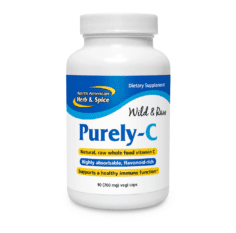
Purely-C Whole Food Vitamin C Complex | Capsules & Bulk Powder
Price range: $37.99 through $63.99 — or subscribe to save 15% Select options This product has multiple variants. The options may be chosen on the product page -
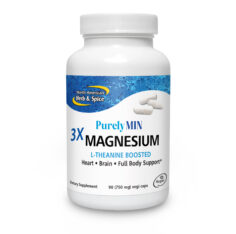
PurelyMin Magnesium Complex
$39.99 — or subscribe to save 15% Add to cart


