
Chronic inflammation is not the kind you can see or touch. It is a slow, silent, systemic fire that burns at a level just below the threshold of perception, sometimes for years or even decades, before it finally announces itself as a diagnosis: heart disease, type 2 diabetes, autoimmune conditions, neurodegenerative decline, or joint destruction.
Researchers now believe chronic inflammation is a contributing factor in at least seven of the ten leading causes of death in the United States. It is not a disease itself. It is the environment in which nearly every modern disease thrives.

What Is Fueling the Fire?
Acute inflammation is your body’s brilliant, short-term response to injury or infection. You cut your finger, the area swells, immune cells rush in, the tissue heals, and the inflammation resolves. That process is healthy and necessary. Chronic inflammation is what happens when that response never fully shuts off, or when it is constantly being re-triggered by the way we live.
The modern Western lifestyle is essentially an inflammation-generating machine. Processed foods loaded with refined sugars, seed oils, and artificial additives feed the fire directly. The standard American diet has pushed the omega-6 to omega-3 ratio from a historical 1:1 to as high as 20:1, creating a biochemical environment that is perpetually skewed toward pro-inflammatory signaling. Excessive alcohol consumption damages the gut lining and liver, releasing toxins that trigger immune activation. A sedentary lifestyle deprives the body of the anti-inflammatory benefits of regular movement, while chronic psychological stress keeps cortisol elevated, which paradoxically suppresses the immune system while promoting systemic inflammation.
Add in the sheer toxic load of modern life, pesticide residues, heavy metals, environmental pollutants, and microplastics, and you have a body that is trying to fight fires on every front with depleted resources. When the body does not have enough nutritional raw material to resolve inflammation properly, it simply persists.

Inflammation Is Not the Same as Pain
This is one of the most important distinctions most people miss. Pain is a neurological signal; a message sent through your nervous system to tell your brain that something is wrong. Inflammation is an immune response, a cascade of chemical messengers, immune cells, and vascular changes designed to protect and repair tissue.
They often occur together, but they are not the same thing. You can have significant inflammation with zero pain, which is exactly what happens in the early stages of cardiovascular disease, metabolic dysfunction, and neurodegeneration. By the time chronic inflammation produces noticeable pain, it has usually been present for years. This is why waiting for pain to tell you something is wrong is a losing strategy. The damage is well underway long before the alarm sounds.

What Happens When Inflammation Goes Unchecked
When the inflammatory response stays elevated for months or years, the consequences are organ-specific and cumulative.
In the cardiovascular system, chronic inflammation damages the endothelial lining of blood vessels, promoting plaque formation and increasing the risk of heart attack and stroke. C-reactive protein (CRP), a key marker of systemic inflammation, is now considered as reliable a predictor of cardiovascular events as blood pressure levels. The irony is that many people obsess over their blood pressure or cholesterol numbers while completely ignoring their CRP, which may tell a far more urgent story.
In the joints, sustained inflammation degrades cartilage and synovial fluid, leading to stiffness, swelling, and progressive loss of mobility. This is not just an aging issue. It is an inflammatory issue.
In the gut, chronic inflammation disrupts the intestinal barrier, a condition increasingly referred to as intestinal permeability, aka leaky gut syndrome, which allows toxins and undigested proteins to enter the bloodstream and provoke immune reactions throughout the body.
In the brain, neuroinflammation has been implicated in cognitive decline, mood disturbances, and the progression of neurodegenerative conditions. The blood-brain barrier, once thought to be impenetrable, is now understood to be vulnerable to systemic inflammatory signals.
None of this happens overnight. It is the slow accumulation of an immune system that was never given the signal to stand down.
The Top 5 Herbal Allies for Supporting a Healthy Inflammatory Response
Nature has provided some of the most well-studied compounds on earth for supporting the body’s inflammatory pathways. These five stand apart.
Wild turmeric contains curcumin, one of the most extensively researched natural compounds in modern science. A comprehensive review published in Drug Design, Development and Therapy confirmed that curcumin inhibits the NF-κB signaling pathway, suppresses COX-2 and iNOS expression, and downregulates pro-inflammatory cytokines including TNF-α, IL-1, IL-6, and IL-8. The review noted curcumin’s potential across inflammatory conditions from arthritis to cardiovascular and metabolic dysfunction.[1] *
Sri Lankan Ceylon ginger contains gingerols and shogaols, bioactive compounds that inhibit both COX-2 and lipoxygenase (LOX), the two primary enzymatic pathways responsible for producing pro-inflammatory prostaglandins and leukotrienes. A review published in the journal Medtigo confirmed that “ginger’s anti-inflammatory efficacy is comparable to NSAIDs but with fewer gastrointestinal side effects.” [2] *
Wild oregano oil delivers carvacrol and thymol, phenolic compounds that support the body’s healthy inflammatory pathways and microbial balance. Research published in Antibiotics (2023) confirmed that carvacrol suppresses inflammatory mediators and exhibits strong antioxidant activity, while noting the importance of proper dosing for safety.[3] *
Wild rosemary is rich in carnosic acid and rosmarinic acid, two compounds that support the body’s healthy inflammatory pathways. A remarkable 2024 study published in Heliyon found that rosmarinic acid promoted cartilage regeneration in osteoarthritis mouse models by inducing Sox9, a master gene for cartilage formation, while simultaneously inhibiting the NF-κB pathway. The researchers observed reduced cartilage destruction and increased expression of protective factors in knee joints. [5] * Rosemary has also demonstrated protective effects against oxidative stress in brain tissue, which is one reason it has long been associated with memory and cognitive health in traditional herbalism. *
Turkish and Ethiopian black seed oil (Nigella sativa) contains thymoquinone, a compound that a comprehensive review in the International Journal of Immunopharmacology described as both “immunomodulatory and anti-inflammatory, capable of inhibiting NF-κB activation, reducing TNF-α and IL-6 production, and modulating the Th1/Th2 immune balance.” Animal studies found its inflammatory response effect at 500 mg/kg comparable to aspirin at 100 mg/kg.[4] *

All Five in One Formula
What if you did not have to source all five of the herbs individually? Turmeric Power Plus from North American Herb & Spice combines wild turmeric extract with Ceylon ginger, wild oregano oil, wild rosemary, and black seed oil in a single, full-spectrum formula designed for best-in-class inflammation support. It is available in convenient softgels and as a fast-acting oil for more immediate topical and internal use. No synthetics. No fillers. Just five of nature’s most well-studied herbal allies for whole-body wellness, together in one product. *
SHOP TURMERIC POWER PLUS: https://www.northamericanherbandspice.com/shop/turmeric-power-plus/
Stop Feeding the Fire
Chronic inflammation is not inevitable. It is the predictable result of a body that is overburdened and under-supported. Clean up the diet. Move your body. Manage your stress. Reduce your toxic load. And give your body the targeted herbal support it needs to bring its inflammatory pathways back into balance. The fire is already burning. The question is whether you are going to keep feeding it or finally put it out.
References
[1] He Y, Yue Y, Zheng X, et al. Curcumin, Inflammation, and Chronic Diseases: How Are They Linked? Molecules. 2015;20(5):9183-9213. https://pmc.ncbi.nlm.nih.gov/articles/PMC6272784/ [2] Zingiber officinale: Anti-Inflammatory Effects. A Comprehensive Review. Medtigo Journal. 2026. https://journal.medtigo.com/anti-inflammatory-effects-of-zingiber-officinale/ [3] Maczka W, et al. Carvacrol: A Natural Phenolic Compound with Antimicrobial Properties. Antibiotics. 2023;12(5):824. https://www.ncbi.nlm.nih.gov/pmc/articles/PMC10215463/ [4] Majdalawieh AF, Fayyad MW. Immunomodulatory and Anti-inflammatory Action of Nigella sativa and Thymoquinone: A Comprehensive Review. International Immunopharmacology. 2015;28(1):295-304. https://www.sciencedirect.com/science/article/abs/pii/S1567576915300011 [5] Rosmarinic acid promotes cartilage regeneration through Sox9 induction via NF-κB pathway inhibition in mouse osteoarthritis progression. Heliyon. 2024;10(19):e38936. https://www.sciencedirect.com/science/article/pii/S2405844024149675*These statements have not been evaluated by the Food and Drug Administration. These products are not intended to diagnose, treat, cure, or prevent any disease.
Explore our trending products:
-
Herbal-zzZs – Melatonin-Free Sleep Support
$31.99 — or subscribe to save 15% Add to cart -
Black Seed-Plus Capsules
$29.99 — or subscribe to save 15% Select options This product has multiple variants. The options may be chosen on the product page -
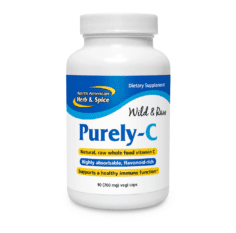
Purely-C Whole Food Vitamin C Complex | Capsules & Bulk Powder
Price range: $37.99 through $63.99 — or subscribe to save 15% Select options This product has multiple variants. The options may be chosen on the product page -
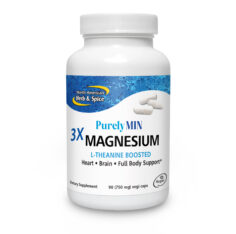
PurelyMin Magnesium Complex
$39.99 — or subscribe to save 15% Add to cart


