
If you cook, eat out, or buy anything from a grocery store shelf, you are consuming cooking oils. The question is: which ones? The answer matters far more than most people realize, because the fats you eat become the building blocks of every cell membrane in your body. They influence everything from brain function to immune response.
And yet, the average American consumes over 50 pounds of edible oils per year, with the vast majority coming from industrially processed seed oils that did not exist in the human diet until roughly a century ago.
This represents one of the most dramatic nutritional shifts in human history and understanding it is the first step toward reclaiming your health.

The Omega Ratio Our Bodies Were Built For
For the vast majority of humanity, our ancestors consumed omega-6 and omega-3 fatty acids in a ratio of roughly 1:1. This balance was maintained naturally through a diet of wild game, fish, nuts, seeds, and foraged greens. Research published by Dr. Artemis Simopoulos in Biomedicine & Pharmacotherapy confirms that humans relied on a diet with an omega-6 to omega-3 ratio of approximately 1:1, whereas modern Western diets have pushed that ratio to 15:1 to as high as 20:1!
Why does this matter? Because omega-6 fatty acids, when consumed in excess relative to omega-3s, promote a pro-inflammatory state. Research shows that simply lowering the ratio from the standard 15:1 or 20:1 down to 4:1 was associated with a 70% decrease in total cardiovascular mortality… That tells you just how far off course the modern diet has drifted, and how powerful even a partial correction can be!
Meanwhile, the standard American diet (SAD) is flooded with cheap seed oils, which have created an environment where chronic, low-grade inflammation has become the norm. And this is why many people cannot shake their pain even with other meaningful improvements to their lifestyle.

The Problem with Canola, Soybean, Safflower, Sunflower, and Corn Oils
These five oils dominate the American food supply, appearing in everything from restaurant fryers to salad dressings to so-called “healthy” snack foods. But here is what most consumers do not realize: these oils are industrially refined and heavily processed long before they reach your kitchen.
The manufacturing process begins with chemical extraction using hexane, a petroleum-derived solvent. The crude oil is then degummed, bleached with clay filters, and deodorized at temperatures exceeding 400°F to remove the rancid smell that develops during processing. By the time these oils are bottled and labeled as “heart-healthy,” they have been stripped of beneficial nutrients and loaded with oxidized lipids and, in some cases, trace amounts of trans fats.
This is not food your great-grandmother would recognize. These oils are products of industrial chemistry, not agriculture.

The GMO and Pesticide Factor
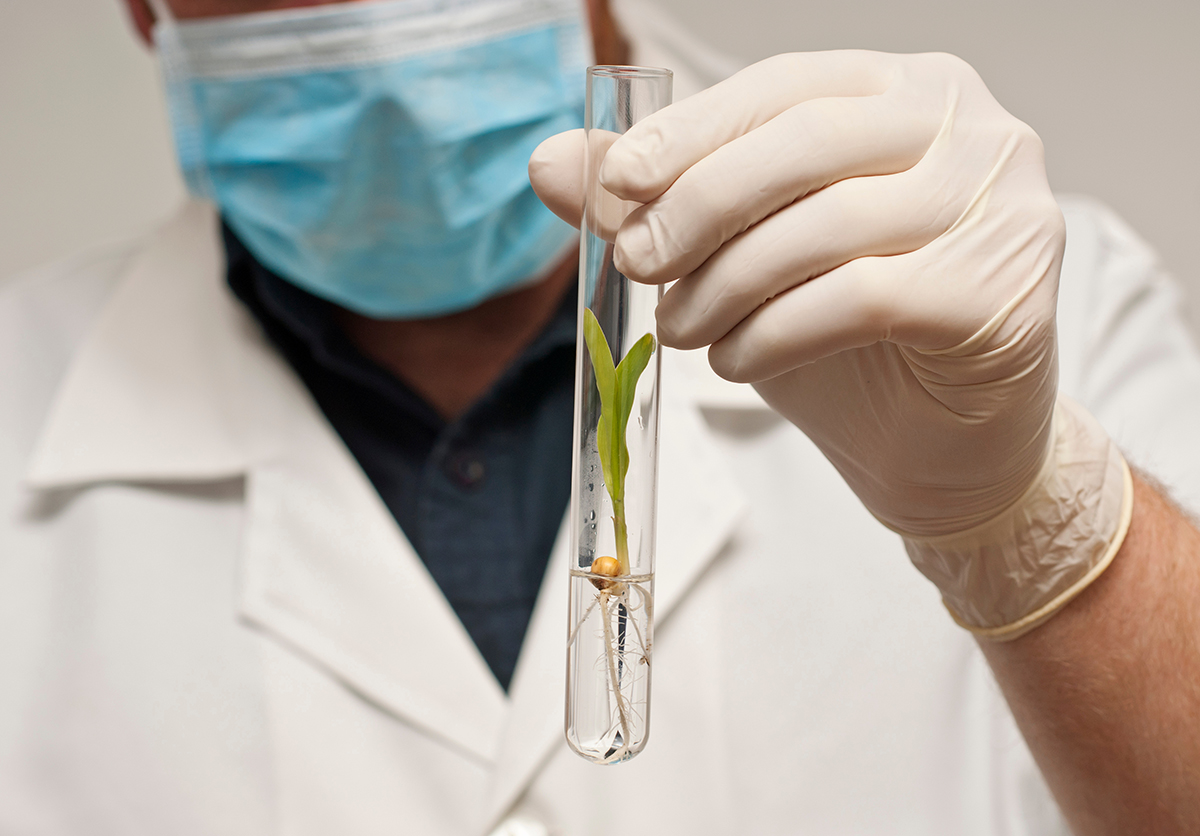
The problems with these oils start even before processing begins, in the fields where the crops are grown. According to USDA data, more than 90% of U.S. soybeans, corn, and canola are now grown from genetically engineered seed varieties. The FDA confirms that 94% of soybeans, 92% of corn, and 95% of canola planted in the United States are GMO crops, the majority engineered specifically to tolerate herbicides like glyphosate, meaning they are sprayed heavily throughout the growing season.
The result is that the raw materials for these cooking oils carry residues of agricultural chemicals before the industrial refining process even begins. Sunflower and safflower crops, while not predominantly GMO, are still conventionally grown with synthetic pesticides. When you pour canola or soybean oil into a pan, you are introducing the product of an entire industrial agricultural chain into your body.

The Case for Coconut Oil, Butter, Tallow, Avocado Oil, and Olive Oil
Now for the good news. Traditional fats, the ones humans have relied on for centuries, offer extraordinary advantages that go far beyond being “less processed.”
Coconut oil is rich in medium-chain triglycerides (MCTs), particularly lauric acid, which the body converts into energy quickly. MCTs support healthy metabolic function and provide a clean-burning fuel source. Coconut oil is also remarkably stable at high heat, making it excellent for cooking.
Butter from grass-fed sources is a natural source of fat-soluble vitamins A, D, E, and K2, plus conjugated linoleic acid (CLA) and butyrate, a short-chain fatty acid that supports healthy gut lining and digestive function. It has been a dietary staple across the globe for thousands of years.
Tallow (rendered beef fat) is enjoying a well-deserved resurgence. With a fatty acid profile similar to human cell membranes (which protect all cells), tallow is very stable for high-temperature cooking and contains naturally occurring fat-soluble vitamins A, D, E, and K. It also has an exceptionally low linoleic acid content of around 2%, making it an ideal replacement for seed oils.
100% avocado oil is rich in oleic acid, a monounsaturated fat associated with healthy cardiovascular function. It has a high smoke point and neutral flavor, making it one of the most versatile cooking oils available. Be sure to choose verified 100% avocado oil, as studies have found many commercial brands are diluted with cheaper seed oils.
100% Extra virgin olive oil is one of the most extensively researched fats on the planet, loaded with polyphenols and antioxidants that support healthy inflammatory response, cardiovascular function, and cognitive health. However, olive oil has a lower smoke point than the other fats listed here, generally around 375°F, which makes it best suited for low-to-medium heat cooking, finishing dishes, and dressings. For high-heat frying or searing, coconut oil, tallow, or avocado oil are better choices.
Why Your Oil of Choice Matters Greatly
When the average American is consuming upwards of 50 pounds of cooking oils per year, the type of fat you choose is not a trivial decision. The fats you eat are incorporated into the membranes of every cell in your body. They shape how your cells communicate, how your mitochondria produce energy, and how your immune system responds to challenges.

Research published in the journal Nutrients has shown that linoleic acid (Omega-6 fat), the primary fatty acid in seed oils, has a half-life of approximately 680 days in human adipose tissue. That means it can take roughly two years to replace just half of the linoleic acid stored in your body, and up to six years to replace 95% of it with healthier fats. This is not a weekend cleanse. It is a long-term commitment to changing the raw materials your body has to work with.
The sooner you begin replacing seed oils with traditional, nutrient-dense fats, the sooner your body can begin the slow but powerful process of cellular renewal.

Supporting the Transition
Because seed oils are deeply embedded in the modern food supply, and because linoleic acid takes years to fully clear from the body, supporting your body’s natural detoxification pathways is essential during the transition.
Total Body Purge from North American Herb & Spice is a unique blend of certified wild spice oils, raw wild greens, and wild high-bush cranberries designed to support the body’s healthy detoxification processes. It features wild-crafted burdock leaf, dandelion root, nettles, black seed oil, and a potent complex of wild oregano, sage, and rosemary oils. Take one ounce daily with breakfast for a full month for ideal results. Speak to our product expert team, and they will help tailor a personalized detox plan for you.
To begin rebalancing your omega-3 to omega-6 ratio, consider adding PolarPower Wild Salmon Oil to your daily routine. PolarPower is the world’s only truly unrefined whole food fish oil, made from wild sockeye salmon heads. It delivers naturally occurring omega-3 fatty acids along with vitamins A and D and the potent antioxidant astaxanthin, helping shift your body’s fatty acid balance back toward where it should be.
And because the excessive omega-6 load from years of seed oil consumption can promote an overactive inflammatory response, targeted nutritional support matters. Turmeric Power Plus is a full-spectrum, wild-source turmeric extract synergized with ginger, rosemary, and oregano for best-in-class inflammation support. It is designed to support a healthy joint and whole-body inflammatory response.
The Bottom Line
The oils you cook with are not a background detail. They are among the most consequential nutritional choices you make every day. For nearly all of human history, we ate fats that were stable, nutrient-dense, and naturally balanced in their omega fatty acid profiles. The industrial seed oils that now dominate our food supply are a radical departure from that tradition, and the health consequences are becoming harder to ignore.
Start reading labels. Clear the seed oils out of your pantry. Stock your kitchen with coconut oil, grass-fed butter, tallow, verified avocado oil, and high-quality extra-virgin olive oil. Give your body the targeted nutritional support it needs to recover from decades of the wrong fats. The process takes time, but your cells will thank you for every step in the right direction.
*These statements have not been evaluated by the Food and Drug Administration. These products are not intended to diagnose, treat, cure, or prevent any disease.
Explore our trending products:
-
Herbal-zzZs – Melatonin-Free Sleep Support
$31.99 — or subscribe to save 15% Add to cart -
Black Seed-Plus Capsules
$29.99 — or subscribe to save 15% Select options This product has multiple variants. The options may be chosen on the product page -
Purely-C Whole Food Vitamin C Complex | Capsules & Bulk Powder
Price range: $37.99 through $63.99 — or subscribe to save 15% Select options This product has multiple variants. The options may be chosen on the product page -

PurelyMin Magnesium Complex
$39.99 — or subscribe to save 15% Add to cart


