
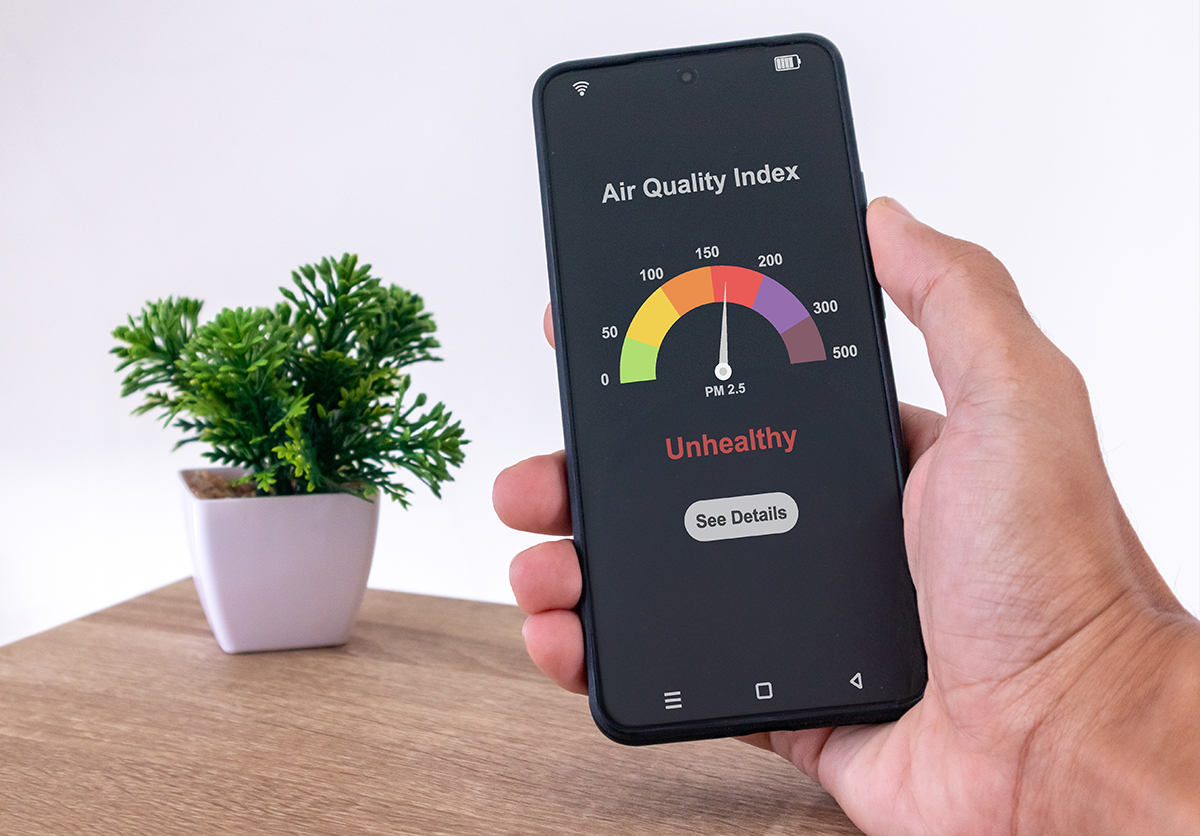
Every summer now seems to bring the same headline: skies turning orange, air quality apps flashing red, and a haze that settles over cities hundreds of miles from the nearest flame. Wildfire season used to be a regional concern for a handful of Western states and provinces. It isn’t anymore. Whether the smoke is drifting down from British Columbia or rising from a fire two states away, more people are breathing compromised air for more days each year than at almost any point on record.
This year carries its own pressures. Parts of western Canada and the southern U.S. are heading into peak season already dry, and a strengthening El Niño is layering more uncertainty on top of drought conditions that have persisted in some regions for years. None of that is a reason to panic. It’s a reason to prepare, and preparation starts with understanding what smoke actually does once it reaches your lungs, and once it reaches the inside of your own home.

This Year’s Fire Season Is Already Building
By early June, Canada had already logged nearly 1,750 wildfires for the year, and federal officials were forecasting that conditions would intensify through July and August as warmer-than-normal temperatures spread across most of the country. British Columbia is expected to carry the highest and most sustained fire risk of the season, with drought in the province’s southern Interior echoing the pattern that preceded the record-setting 2023 and 2025 seasons. South of the border, the story looks similar: by June, the 2026 U.S. wildfire season had already burned roughly double its historical average pace.
2.4 million+ acres burned by June 2026. Nearly double the historical average pace for U.S. wildfires at that point in the season.
Layered on top of the drought and heat is a wrinkle worth watching: after a brief La Niña earlier in the year, the tropical Pacific has shifted into a strengthening El Niño, with NOAA forecasters putting real odds on the pattern reaching “very strong” intensity by fall. El Niño doesn’t cause wildfires on its own, and its influence is strongest in winter rather than summer, but the shift toward warmer, more erratic conditions is one more variable fire managers are watching as the season unfolds. Whatever the exact driver in any given year, the broader pattern of the last several years is unmistakable: fire season starts earlier, runs longer, and produces more smoke than it used to — and that’s true even for people who will never see a flame in person.

Smoke Doesn’t Stay Where It Starts
The biggest misconception about wildfire smoke is that it’s a problem for people who live near the fire. It isn’t, not really. Smoke plumes ride the jet stream for hundreds or even thousands of miles, and by the time they reach a distant city, the fine particles inside them are often just as capable of causing harm as they were close to the source.
In 2023, smoke from wildfires burning in Quebec traveled far enough to push New York City’s air quality index above 200 — the highest level recorded there in the modern era of air quality monitoring, hundreds of miles from any active fire.
That kind of event isn’t a fluke anymore. Tens of millions of people across North America have now lived through prolonged smoke episodes in back-to-back years, and researchers expect that number to keep growing as fire activity increases. Understanding why that matters starts with what’s actually inside the smoke.

What Wildfire Smoke Actually Does to Your Lungs (and Beyond)
Wildfire smoke is made up of a mix of gases and fine particulate matter, most notably PM2.5 — particles small enough (less than 2.5 micrometers) to bypass the body’s natural filtering and travel deep into the lungs, and from there, into the bloodstream. The EPA notes that short-term exposure can range from minor eye and throat irritation to serious complications, including flare-ups of asthma and heart failure, with emerging evidence linking smoke exposure to preterm birth and measurable effects on cognitive performance.
The numbers get more specific the deeper researchers look. A 2026 study following children in two high-burden California counties found that every 10 µg/m³ increase in wildfire-specific PM2.5 raised the risk of an asthma-related hospital visit by about 4% on the day of exposure, with cumulative risk climbing to 13% over the following five days. A separate multi-country analysis spanning communities across eight countries found that even a 1 µg/m³ increase in wildfire PM2.5 measurably raised hospitalization risk across a range of respiratory conditions, from asthma to pneumonia. The effects aren’t limited to the lungs, either — one recent analysis found an 18% increased risk of dementia for every 1 µg/m³ increase in wildfire smoke PM2.5, averaged over a three-year period, a reminder that this isn’t only a respiratory issue.
The human toll of a single bad season can be enormous. A Health Canada review of the 2023 wildfires — the worst on record for the country — estimated that smoke exposure that year alone may have contributed to roughly 400 acute and 5,400 chronic premature deaths, translating into billions of dollars in medical costs and lost productivity.

The Air Inside Your Home Isn’t Automatically Clean
Here’s the part most people underestimate: closing the windows helps, but it doesn’t solve the problem. Americans spend about 90% of their time indoors, which means indoor air quality during a smoke event matters just as much as — and sometimes more than — what’s happening outside. According to the EPA, indoor PM2.5 levels typically reach 55% to 60% of outdoor concentrations during a smoke event even with doors and windows fully closed, and that figure can climb as high as 100% in older or leakier homes.
The reason comes down to how homes actually work: no house is airtight. Smoke finds its way in through gaps around window frames, attic access panels, electrical outlets, and, critically, through the HVAC system itself. Standard 1-inch residential filters are typically rated MERV 1 through MERV 4, which is enough to catch large dust particles but does very little against the ultra-fine combustion particles found in wildfire smoke. A MERV 13 filter, by contrast, can trap up to 90% of PM2.5 — a meaningful upgrade for anyone living through repeated smoke events. Ductwork adds another wrinkle: homes commonly lose a significant share of conditioned air through duct leaks, often in unconditioned attic spaces, which means an HVAC system can end up pulling already-contaminated attic air back into the living space even after it passes through a filter.
55–60% of outdoor smoke levels Typically make it indoors even with doors and windows closed, per the EPA — and can reach 100% in older, leakier homes.

Simple, Proven Routines That Actually Help
None of this is a reason to spend all summer indoors with the blinds drawn. It’s a reason to build a few habits that are backed by research and easy to keep once they become routine.
- Check your local AQI before heading outside. Free tools like the EPA’s AirNow track real-time air quality; limit strenuous outdoor activity when the AQI passes 100, and move activities indoors entirely above 150, especially for children, older adults, and anyone with asthma or heart disease.
- Upgrade your HVAC filter to MERV 13 or run a portable HEPA air cleaner in the rooms you use most. Both measurably reduce the fine particles that make it past a standard filter, and a portable unit is often the more affordable option to run continuously.
- Close windows and doors and set your HVAC system to recirculate during active smoke events. Skip anything that adds more particles indoors on a smoke day — candles, gas stoves, and aerosol sprays all compound a problem that’s already there.
- Give your body’s own defenses some support. Diet and lifestyle can’t replace clean air, but a handful of well-studied plant compounds have real research behind their role in supporting the body’s antioxidant response, especially in lung tissue under oxidative stress.

Give Your Lungs Some Backup: What the Research Shows About Wild Spice Oils
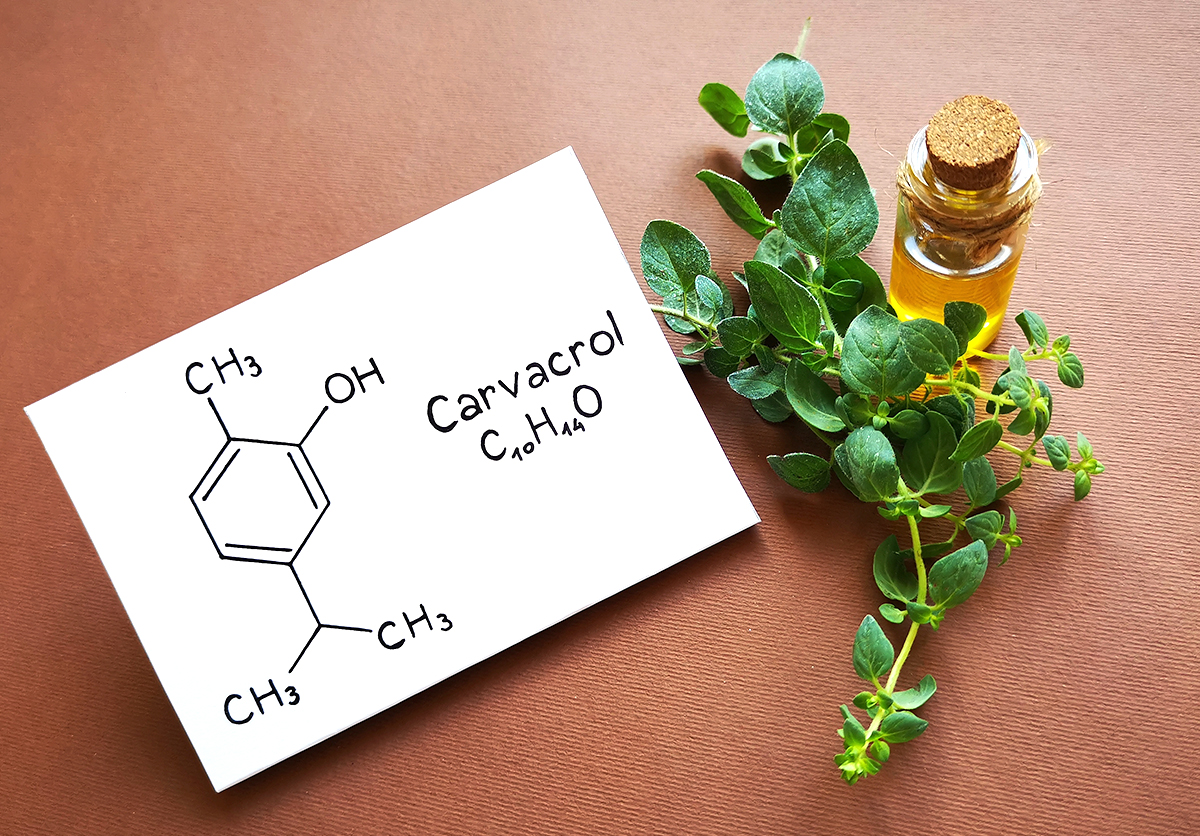
Carvacrol, the primary compound in wild oregano oil, has drawn a growing body of research focused specifically on lung and airway tissue. A study on human bronchial cells found that wild oregano essential oil reduced markers of inflammation and oxidative stress at the cellular level, while also showing activity against several lung pathogens. A broader review of carvacrol’s effects on the respiratory system described its role in supporting antioxidant defenses and easing oxidative stress in airway tissue — mechanisms that matter most when the air itself is working against you.
In a randomized clinical trial, patients who took carvacrol for two months showed measurable improvements in pulmonary function testing and oxidative stress markers compared to placebo, a result researchers attributed to its combined anti-inflammatory and antioxidant activity.
This is part of why wild oregano oil, in its various forms — from a concentrated capsule to a gentler daily hydrosol — shows up so often in traditional respiratory support. It’s not a replacement for clean air. It’s backup for the systems in your body that are working overtime to process the air you’re getting.
Black Seed Oil and the Case for Healthy Circulation
Cold-pressed black seed oil, drawn from Nigella sativa, has a research profile that goes beyond the immune-support reputation it’s best known for. Multiple reviews describe its role in supporting healthy nitric oxide levels — the same signaling molecule responsible for vasodilation, the natural widening of blood vessels that keeps circulation and oxygen delivery running efficiently. Researchers point to several likely mechanisms, including antioxidant activity that helps preserve nitric oxide rather than letting oxidative stress break it down — exactly the kind of stress that spikes during a heavy smoke event. Cumin, black seed oil’s frequent companion in traditional formulations, brings its own long history of use for respiratory and antioxidant support, backed by a growing body of pharmacological research into its seed and essential oil forms.
Pine, Spruce, and the Original Vitamin C
Long before citrus made its way north, cultures across colder climates relied on pine and spruce needles as a seasonal source of vitamin C and plant antioxidants. That reputation holds up under modern analysis: comparative studies of conifer needle extracts have documented substantial polyphenol content and measurable antioxidant activity across several pine and spruce species. For anyone looking to round out a summer wellness routine with something that supports the immune system the way it has for generations, pine and spruce needles are a straightforward, well-documented place to start.
Building a Wildfire-Season Routine You Can Actually Keep
None of this requires overhauling your life every time the AQI ticks up. The households that come through wildfire season in the best shape are usually the ones with a routine already in place before the smoke rolls in: an AQI app on the home screen, a filter that’s actually rated for fine particles, and a few well-chosen daily habits that support the body from the inside. Don’t wait for the first hazy morning to figure out your plan. Build the routine now, and the worst days of the season will feel a lot more manageable when they arrive.


Relevant NAHS Products of Support
Oreganol P73 Gelcaps easy-to-take capsules of the original wild, high-mountain P73 oregano oil, rich in carvacrol and formulated to support the body’s antioxidant defenses and respiratory comfort on heavy smoke days. Shop Oreganol P73 Gelcaps →
Black Seed Oil cold-pressed, 100% Mediterranean black seed oil rich in thymoquinone, studied for its role in supporting healthy circulation, oxygenation, and the body’s antioxidant response. Shop Black Seed Oil →
Oreganol P73 Juice an oxygen-rich wild oregano hydrosol, traditionally used to support respiratory, cardiovascular, and immune health in a gentle, hydrating daily dose. Shop Oreganol P73 Juice →
OregaSpray a 100% natural spray of wild oregano, bay leaf, lavender, and clove oils, useful for freshening indoor air and surfaces on the days when windows stay shut and smoke lingers. Shop OregaSpray →
Pine Power Plus a wild-harvested blend of North American pine and spruce needles, rich in antioxidants and terpenes, traditionally used to support respiratory health and the immune system through the changing seasons. Shop Pine Power Plus →
These statements have not been evaluated by the Food and Drug Administration. These products are not intended to diagnose, treat, cure, or prevent any disease.
References
Government of Canada. (2026). The Government of Canada provides an update regarding the 2026 wildfire season — June update. Canada.ca. Read the study
CBC News. (2026). What’s in store for Canada’s 2026 fire season? CBC.ca. Read the study
Medical Daily. (2026). The 2026 Wildfire Season Has Burned Double the Normal Acreage: Here’s the Documented Health Toll. MedicalDaily.com. Read the study
NOAA Climate Prediction Center. (2026). ENSO Diagnostic Discussion. CPC.NCEP.NOAA.gov. Read the study
International Research Institute for Climate and Society. (2026). June 2026 ENSO Quick Look. IRI.Columbia.edu. Read the study
US EPA. (2026). Health Effects Attributed to Wildfire Smoke. EPA.gov. Read the study
US EPA. (2026). Strategies to Reduce Exposure Indoors. EPA.gov. Read the study
US EPA. (2026). Indoor Air Quality. EPA.gov, Report on the Environment. Read the study
Sugrue, R., et al. (2026). Wildfire-Specific PM2.5 Asthma Risk Across a Disproportionately Burdened Pediatric Population in Northern California. GeoHealth. Read the study
Jaffe, D., et al. (2026). Health and Regulatory Impacts of PM2.5 From Wildland Fires for 2019–2024 in the US. GeoHealth. Read the study
Nature Sustainability. (2025). Respiratory risks from wildfire-specific PM2.5 across multiple countries and territories. Nature.com. Read the study
Kazemi Jaromi, R., et al. (2021). Carvacrol improves pulmonary function tests, oxidant/antioxidant parameters and cytokine levels in asthmatic patients. ScienceDirect. Read the study
ScienceDirect. Essential oil of Origanum minutiflorum exhibits anti-inflammatory and antioxidative effects in human bronchial cells and antimicrobial activity on lung pathogens. ScienceDirect. Read the study
PMC. Nigella Sativa (Black Seeds), A Potential Herb for the Pharmacotherapeutic Management of Hypertension: A Review. PMC.NCBI.NLM.NIH.gov. Read the study
PMC. Comparative Antioxidant and Antimicrobial Activities of Several Conifer Needles and Bark Extracts. PMC.NCBI.NLM.NIH.gov. Read the study
Explore our trending products:
-
Herbal-zzZs – Melatonin-Free Sleep Support
$31.99 — or subscribe to save 15% Add to cart -
Black Seed-Plus Capsules
$29.99 — or subscribe to save 15% Select options This product has multiple variants. The options may be chosen on the product page -
Purely-C Whole Food Vitamin C Complex | Capsules & Bulk Powder
Price range: $37.99 through $63.99 — or subscribe to save 15% Select options This product has multiple variants. The options may be chosen on the product page -

PurelyMin Magnesium Complex
$39.99 — or subscribe to save 15% Add to cart


