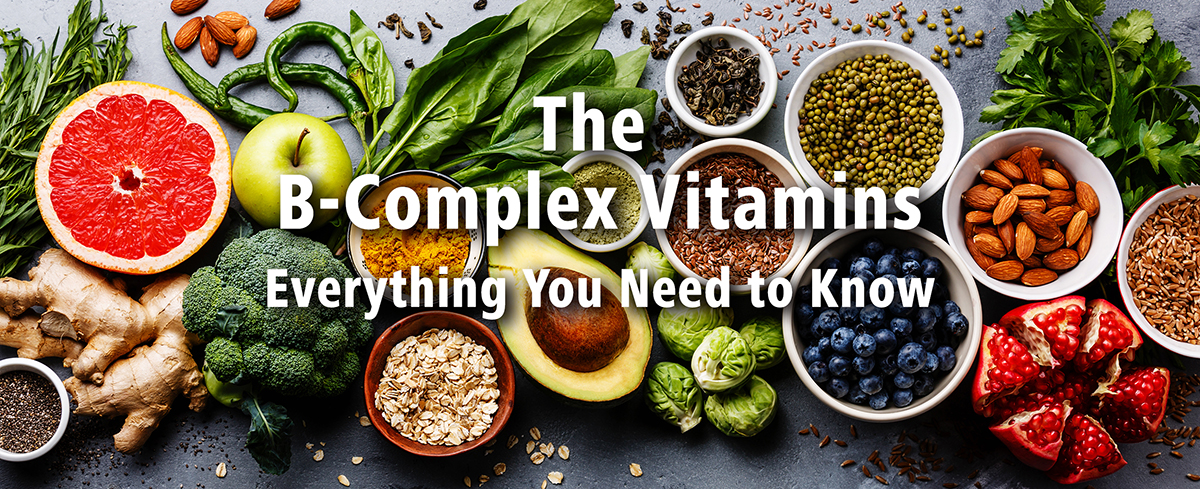
B vitamins are the body’s workhorses that support cellular energy production, nervous-system signaling, red blood cell formation, DNA/methylation processes, and a balanced stress response. Obtaining them from real, quality whole foods delivers these nutrients in their appropriate doses, along with their natural partners, minerals, amino acids, and phytonutrients, which help with absorption and utilization. Cheap “mega-B” blends can also be imbalanced, exceeding tolerable limits for niacin (B3) or B6 without the buffering matrix of food.
In short, a plate of greens, legumes, eggs, seeds, fish, and quality dairy supplies B vitamins in a naturally synergistic way. This is gentle on the system and aligned with how human metabolism is designed to run. We will talk about the “8 B’s” and how they help the human body. We’ll also strike a contrast with artificial B vitamins, which are all over the marketplace, so you can identify them and understand this fascinating area of nutrition!

B1 (Thiamin)
What it does- Thiamin helps your cells turn carbohydrates into usable energy (ATP) and supports normal nerve and muscle function by enabling enzymes in the Krebs cycle and branched-chain amino acid metabolism. It’s essential for heart and brain energy needs.
What is the Krebs Cycle? Your cells have tiny power plants called mitochondria. The Krebs cycle is the main gear inside those power plants. It takes small pieces of the food you eat and, step by step, charges up little batteries that your cells use to make energy!
Signs of deficiency- Early: fatigue, irritability, poor appetite, muscle weakness, peripheral neuropathy. More Severe: nerve damage, edema (water retention), tachycardia (fast heartbeat), confusion, eye-movement problems, slurred speech, in prolonged cases.
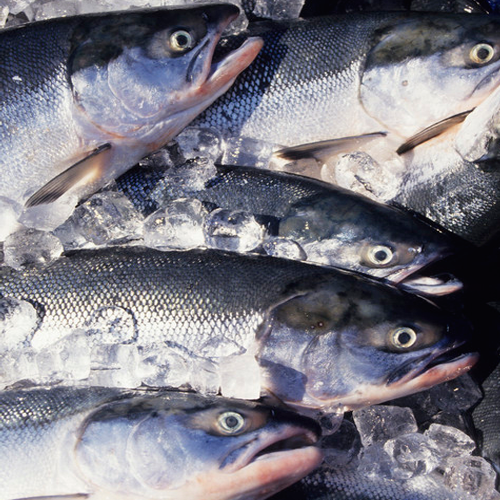
Top whole-food sources- Wild-caught trout, salmon, legumes (black beans, lentils), sunflower seeds, peas, and whole/fortified grains.
References: NIH ODS-Thiamin (fact sheet), Linus Pauling Institute-Thiamin.

B2 (Riboflavin)
What it does. Riboflavin forms the coenzymes FAD and FMN, which drive hundreds of redox reactions, including antioxidant regeneration (e.g., helps recycle glutathione) and energy production in mitochondria. It also supports healthy skin and eyes.
What are Redox Reactions? A redox reaction is just a give-and-take of electrons.
- Oxidation = a substance loses electrons.
- Reduction = a substance gains electrons.
Remember: OIL RIG. Oxidation Is Loss, Reduction Is Gain (of electrons).
A few everyday examples:
- Rusting: Iron loses electrons to oxygen → iron rusts.
- Batteries: One side loses electrons, the other gains; the moving electrons power your device.
- Breathing/energy: Your cells take electrons from food and give them to oxygen to release energy.
Terms you’ll hear:
- Oxidizing agent: the taker (it gets reduced).
- Reducing agent: the giver (it gets oxidized).
Big idea: redox is how matter moves electrons (and therefore energy) around
Signs of deficiency- Sore throat; cracks at mouth corners, stomatitis, glossitis (magenta tongue), seborrheic dermatitis; sometimes anemia and light sensitivity.
Top whole-food sources. Dairy (milk, yogurt), eggs, lean meats, salmon, mushrooms, almonds, and spinach.
References: NIH ODS-Riboflavin, Linus Pauling Institute-Riboflavin.

B3 (Niacin)
What it does. Niacin is converted to NAD/NADP, coenzymes needed for energy metabolism, detoxification, antioxidant production, DNA repair, and cell signaling. Adequate niacin supports skin integrity and nervous system function.
Signs of deficiency- Apathy, dermatitis, light sensitivity, diarrhea, dementia; mouth soreness, magenta tongue
Top whole-food sources. Poultry and fish (chicken, turkey, tuna, salmon), grass-fed beef, peanuts, whole grains, and coffee contribute small amounts. The body can also make niacin from tryptophan (with adequate B6).
References: NIH ODS-Niacin, Linus Pauling Institute-Niacin.
B5 (Pantothenic Acid)
What it does. Pantothenic acid is a component of coenzyme A (CoA), central to synthesizing and breaking down fatty acids, hormones, and many neurotransmitters. It’s basically “everywhere” in metabolism.
Signs of deficiency- “Burning feet,” fatigue, irritability, gastrointestinal discomfort.
Top whole-food sources. Chicken, beef, organ meats, shiitake mushrooms, avocado, sweet potatoes, sunflower seeds, and legumes.
References: NIH ODS-Pantothenic Acid, Linus Pauling Institute-Pantothenic Acid.

B6 (Pyridoxine)
What it does. B6 is converted to PLP, a coenzyme for 100+ enzymes, especially in amino acid (the building blocks of protein) metabolism. It supports neurotransmitter synthesis (e.g., GABA, dopamine, serotonin), hemoglobin (a protein found within red blood cells, responsible for carrying oxygen and carbon dioxide) formation, and homocysteine metabolism (together with folate and B12). Bottom Line: Your body can’t make serotonin, dopamine, or GABA, the brain chemicals that influence mood, sleep, and stress, without B6. This is why even a mild B6 deficiency can affect mood and mental clarity!
Signs of deficiency- anemia, dermatitis, inflammation and cracking at the corners of the mouth, magenta tongue; peripheral neuropathy, depression, confusion, and seizures more common with infants.)
Top whole-food sources. Wild-caught salmon, tuna, poultry, organic potatoes, bananas, chickpeas, spinach, and pistachios.
References: NIH ODS-Vitamin B6, Linus Pauling Institute-Vitamin B6.

B7 (Biotin)
What it does. Biotin is required for carboxylase enzymes that regulate blood glucose (gluconeogenesis), which supports healthy liver and kidney function. fatty acid synthesis, and branched-chain amino acid metabolism. It also supports beautiful hair, skin, and nail structure via increased keratin production.
Signs of deficiency- Thinning hair; scaly rash around eyes, nose, mouth; conjunctivitis; lethargy, depression, hallucinations, numbness/tingling.
Top whole-food sources. Egg yolks, liver, salmon, sunflower seeds, almonds, sweet potatoes, and cauliflower.
References: NIH ODS-Biotin, Linus Pauling Institute-Biotin.
B9 (Folate)
What it does. Think of folate as the signal that puts your body into safe growth mode while also handling the fine print. It does three big jobs:
- Edit: supplies the tiny parts your cells need to copy and repair DNA/RNA so new cells are made correctly.
- Tag: supports methylation, the tagging system that fine-tunes gene activity and helps keep key pathways running smoothly.
- Build: powers everyday renewal, especially red blood cells for steady energy, and helps build a healthy baby from the very first weeks of pregnancy.
Folate also teams up with B6 and B12 to recycle homocysteine (an amino acid naturally found in the body that is involved in protein production and metabolism) ,supporting a healthy cardiovascular and cognitive environment.
Fun Fact: The word “folate” is derived from the word foliage, alluding to the leafy greens that provide ample amounts of this vital nutrient.
Signs of deficiency- anemia → fatigue, weakness, shortness of breath, paleness of the skin and nails; magenta tongue; elevated homocysteine.
Special Note: Low folate levels in pregnancy can increase neural tube defects in the fetus
Top whole-food sources. Organic dark leafy greens (spinach, romaine), asparagus, broccoli, avocado, citrus, legumes (lentils, black beans), and grass-fed beef liver.
References: NIH ODS-Folate, Linus Pauling Institute-Folate.

B12 (Cobalamin)
What it does.
Think of B12 as your nervous system’s insulator and methylation spark plug. It’s the nutrient that keeps your body’s signals clear and fast while making sure new cells are built to spec. It does three big jobs:
- Tag (Methylate): B12 helps turn homocysteine into methionine, (essential amino acid, supplying the “methyl tags” your body uses to fine-tune gene activity, support neurotransmitter balance, and keep key pathways running smoothly.
- Insulate (Myelin): B12 helps maintain myelin, the protective coating around nerves that lets messages travel quickly and accurately. This is key for focus, memory, and steady coordination! For example, people with Multiple Sclerosis suffer from damage to their myelin, chronically impairing their nerve function.
- Build (Red blood cells & clean energy): B12 is required to form healthy red blood cells (for steady energy) and to run a mitochondrial enzyme that processes certain fats and proteins (methylmalonyl-CoA mutase), keeping your cellular engines running clean!
Special Note: B12 also teams up with folate and B6 to keep homocysteine in a healthy range, supporting cardiovascular and cognitive wellness.
Top whole-food sources. Animal-derived foods: Wild-caught fish, grass-fed beef (especially liver), lamb, dairy, and eggs.
References: NIH ODS-Vitamin B12, Linus Pauling Institute-Vitamin B12.

Why Whole-Food Sources Are Best
Whole foods deliver B vitamins in their complete forms alongside minerals, fiber, and complementary “co-nutrients” that can support absorption and direct pathways (for example, protein foods supply tryptophan that your body can convert to niacin if B6 is sufficient).
Diet patterns rich in legumes, vegetables, nuts/seeds, seafood, eggs, and quality dairy typically cover daily needs for most healthy adults, with special attention to folate (leafy greens/legumes) and B12 (animal foods or fortified foods for strict vegans).
Depletion Factors to Know: Consuming alcohol, sugars, high-carbohydrate foods like bread, rice, and pastas, along with certain prescription medications and high caffeine intake, can all reduce your B vitamin levels.
Special Note: Practitioners may routinely instruct their patients not to take any supplements during their treatment period. While this is true for synthetic vitamins, because they can interfere with medications, it should be noted that food-sourced nutrition does not run these risks and should be increased to support overall healthy treatment outcomes.

The Dirty Truth about Synthetic B Vitamins
How they’re made. Most supplemental B vitamins are produced at an industrial scale either by chemical synthesis from petrochemical-derived intermediates or by microbial fermentation and downstream purification. For example, riboflavin (B2) is commonly made by fermenting select microbes (e.g., Ashbya gossypii or engineered Bacillus subtilis) and then isolating the vitamin; this replaced older chemical routes because fermentation is “cleaner and more sustainable.”
Vitamin B12 is produced exclusively by bacteria and harvested from controlled fermenters…
Niacin and B6 are still largely produced by multistep chemical synthesis.
Form matters.
- Folate: Foods contain reduced folates (e.g., 5-methyltetrahydrofolate). Fortified foods and many supplements use folic acid (fully oxidized, synthetic). Folic acid must be reduced by DHFR in the liver; at higher intakes, unmetabolized folic acid (UMFA) can appear in circulation. The clinical impact is still being studied, but persistent UMFA has raised concerns about potential effects on immune function, mood changes, GI upset, allergic reactions, and masking B12 deficiency in high intakes.
At North American Herb & Spice, under the guidance of Ms. Judy Gray, M.S., we strongly believe there can be no working substitute for the original, REAL, whole-food, natural-sourced B complex.
- B12: The common supplemental form, cyanocobalamin, is cheaply made; it releases trace cyanide that unhealthy bodies struggle or fail to detoxify.
- B6: Chronic high-dose B6 (typically >100 mg/day over months) is linked to sensory neuropathy in some individuals. Whole-food intakes rarely approach these levels.
Dose matters. Many “mega-B” formulas deliver doses that exceed the Tolerable Upper Intake Level (UL) for certain Bs (notably B6 and niacin). More isn’t always better; matching physiologic ranges reduces risk while still supporting metabolism.
Additives & byproducts. While all manufactured vitamins, synthetic or fermented, are “purified” to pharmacopeial standards (USP/EP), quality varies by supplier.
Aside from the known risks that come with consuming synthetically derived vitamins, residual solvents, additives, preservatives, and allergens show up in the majority of suppliers.
In contrast, Whole-food concentrates and extracts can reduce reliance on high synthetic doses while delivering supportive co-nutrients for the most optimal absorption outcomes.
Practical Takeaways
- Build a whole-food base. Aim for daily legumes, leafy greens, nuts/seeds, eggs or seafood, and fermented/ organic whole grains to cover the spectrum of B vitamins.
- Mind special cases. Pregnancy (folate), vegan diets (B12), alcohol use (thiamin), and malabsorption can increase needs.
- Choose forms and doses wisely. If supplementing, look for reasonable whole food options and avoid the risks of synthetically manufactured “fortified” products. We are one of the only companies that deliver B vitamins in their pure forms. You should always seek third-party tested products, like ours!
Quick Cheatsheet

- Energy & nerves: B1, B2, B3
- Amino acids & neurotransmitters: B6
- Fat metabolism & hormones: B5
- Hair/skin/nails & glucose control enzymes: B7
- DNA & pregnancy: B9
- Red blood cells & myelin (nerve health): B12
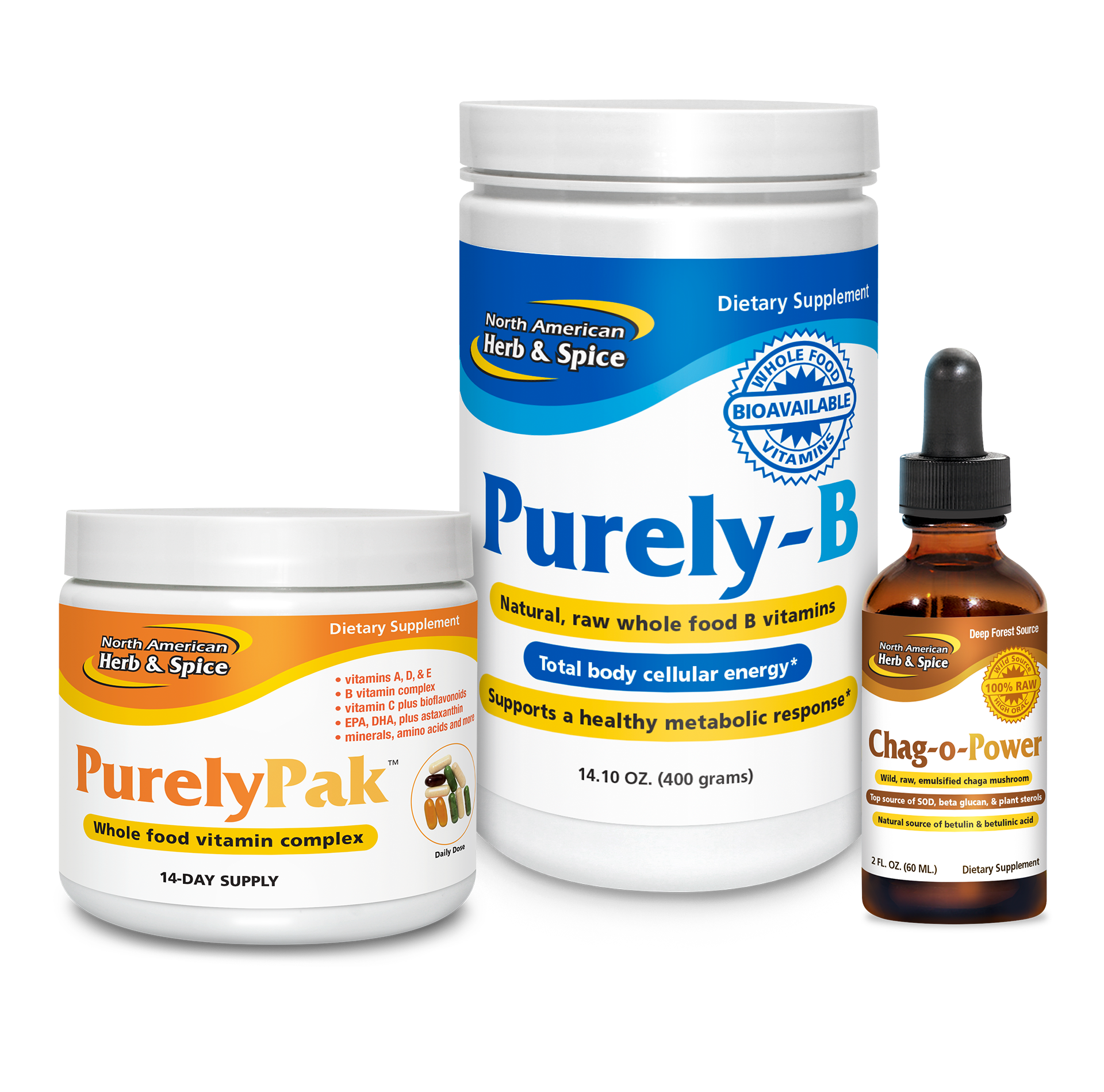
NAHS Wholefood All Natural Vitamin B Complex Supplements
Final Word
B vitamins are metabolic “spark plugs.” When possible, get them from food first, then use targeted, quality-assured supplements to fill specific gaps. As water-soluble vitamins, along with vitamin C, our bodies utilize and require B vitamins each day, so we would all be wise to replenish them daily!
PLEASE NOTE:
If you’re experiencing any of the symptoms above, consult with a physician, as it may be a sign of a more serious condition.
These statements have not been evaluated by the Food and Drug Administration. This product is not intended to diagnose, treat, cure, or prevent any disease.
Explore our trending products:
-
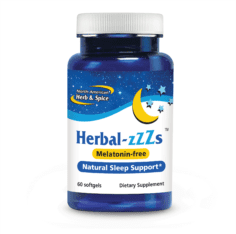
Herbal-zzZs – Melatonin-Free Sleep Support
$31.99 — or subscribe to save 15% Add to cart -
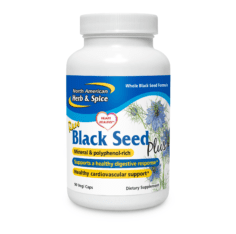
Black Seed-Plus Capsules
$29.99 — or subscribe to save 15% Select options This product has multiple variants. The options may be chosen on the product page -
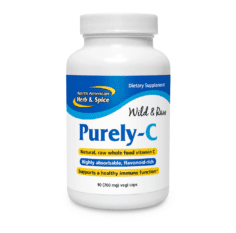
Purely-C Whole Food Vitamin C Complex
$37.99 — or subscribe to save 15% Select options This product has multiple variants. The options may be chosen on the product page -
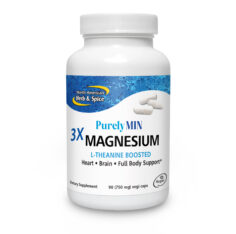
PurelyMin Magnesium Complex
$39.99 — or subscribe to save 15% Add to cart