

A Brief History of Pumpkins and Their Seeds
Pumpkins belong to the genus Cucurbita and include Cucurbita moschata, C. pepo, and C. maxima. C. maxima (kabocha) is indigenous to the plateaus of Central and South America, but pumpkins are now cultivated around the world. Indigenous peoples in the Americas have valued pumpkins for centuries, and Europeans later adopted this tradition. The fruits, flowers, and seeds became important food sources rich in vitamins A, C, and E. The extracts from the rind, flesh, seed oil, and defatted meal display natural antimicrobial activities.1 These traditional uses laid the foundation for modern scientific interest in pumpkin seed products.

Nutritional Profile of Raw Pumpkin Seeds
Pumpkin seeds (pepitas) are nutrient‑dense. They contain about 47 % oil by weight and are a good source of unsaturated fats, protein, fibers, carotenoids, β‑ and γ‑tocopherols (forms of vitamin E), plant sterols, and trace minerals such as zinc and selenium.1 Zinc in particular acts as an antioxidant by neutralizing free radicals and binding metal ions. Since the seeds still retain their cell walls, they also supply fiber, which supports optimal digestive health. However, the same fiber and the presence of phytic acid mean that some minerals are less bioavailable, and the seeds can be harder to digest, especially when eaten whole. Grinding the seeds into powder or pressing them for oil liberates many of these nutrients.

Why is Pumpkin Seed Powder Easier to Digest?
Pumpkin seed powder is best when produced by grinding the roasted seeds. Roasting seeds increases their antioxidant content and makes them easier to digest; raw seeds may lack the same flavour, aroma, or ease of digestion. Grinding breaks the tough outer walls and releases fats and proteins, which are absorbed more readily. In addition, this powder is a convenient and complete plant protein source (contains all 9 essential amino acids) for people who avoid animal protein.
Pumpkin Seed Oil: Composition and Benefits

Composition
Pumpkin seed oil is dark green and contains four dominant fatty acids: oleic (about 43.8 %), linoleic (33.1 %), palmitic (13.4 %), and stearic (7.8 %).1 These unsaturated fatty acids make up nearly 98 % of the oil, contributing to its fluidity and health benefits. The oil is also rich in carotenoids, tocopherols (vitamin E), phytosterols, chlorophyll, and trace elements (zinc, selenium, and others)1. Virgin pumpkin seed oil retains more phenolic compounds because it is made from roasted seed dough with added salt and water, whereas cold‑pressed oil contains more tocopherols and sterols.2 Mineral content also differs with processing; virgin oils can have up to nine‑fold higher levels of magnesium, potassium, calcium, sodium, and other metals compared with cold‑pressed oil due to salt addition and heating.2
Cardiovascular and Metabolic Effects
Because pumpkin seed oil is composed mostly of poly‑ and monounsaturated fats, it fits within heart‑healthy eating patterns. The American Heart Association warns that saturated fats raise LDL (“bad”) cholesterol and risk of stroke and heart disease, whereas unsaturated fats like those in pumpkin seed oil promote a healthy heart. Healthline notes that a 2019 study found pumpkin seed oil improved blood flow and helped manage hypertension in post‑menopausal women.3 Animal studies also indicate that pumpkin seed oil supports blood pressure balance by increasing nitric oxide. This action mediates relaxation of blood vessels.1 The oil contains antioxidants and tocopherols that help reduce oxidative stress, which further supports cardiovascular health.3
Prostate, Urinary, and Reproductive Health
Pumpkin seed oil has long been valued for men’s health. In a clinical trial involving over 2,000 men with benign prostate hypertrophy (BPH), daily supplementation with 500–1,000 mg of Cucurbita pepo oil for 12 weeks reduced the International Prostate Symptom Scores by 41.4 %, and over 96 % of participants reported no unwanted side effects.1 Rat studies demonstrated that pumpkin seed oil inhibits testosterone‑induced prostate enlargement.1 Other human studies show that pumpkin seed oil, saw palmetto oil, or a combination improves BPH symptoms without adverse effects.1 Healthline summarizes that pumpkin seed oil may relieve urinary dysfunction and an overactive bladder.3
Women’s and General Health
Pumpkin seed oil also benefits women’s health. A 2024 rat study suggested that the antioxidant properties of pumpkin seed oil could help mitigate menopause‑related weight gain, oxidative stress, and inflammation.3 Pumpkin seeds and their oil are high in magnesium, iron, and zinc, nutrients important for uterine health and hormone production. They also supply plant estrogens that help regulate hormones and support reproductive health.3 Additionally, the oil contains polyphenols with a broad spectrum of natural antimicrobial activities.1
Even More Benefits
Research suggests that the tocopherol fraction of raw pumpkin seeds has anti‑hyperglycemic effects by interacting with multiple signaling pathways involved in diabetes.1 Pumpkin seed oil and extracts have shown antihypertensive, cardioprotective, and anti‑inflammatory effects in animal models.1 It also may improve hair growth and cognitive function! In one placebo‑controlled trial, men with androgenetic alopecia who consumed 400 mg of pumpkin seed oil daily for 24 weeks experienced 40 % hair growth compared to 10 % in the placebo group.3 Pumpkin seed oil also contains phytosterols, phytoestrogens, and tryptophan, which support a healthy mood and sleep.3

Austrian Styrian Pumpkin Seeds &
Oil VS. Commercial Varieties
Shell‑less, Nutrient‑Dense Seeds
The Styrian (Austrian) pumpkin (Cucurbita pepo subsp. pepo) mutated in the 1800s to produce dark‑green, hull‑less seeds. These seeds lack a hard outer shell, so they can be eaten raw and are ideal for oil production. Styrian seeds contain 40–50 % oil, substantially more than typical white‑hulled seeds, making oil extraction more efficient. They are also loaded with antioxidants, vitamins, and nutrients that support heart, bone, muscle, bladder, and prostate health. This mutation gives Austrian seeds their intense, deep green color and distinctive nutty flavor.

Protected Geographic Indication and Organic Farming
Styrian pumpkin seeds are protected by a Protected Geographical Indication (PGI) certification. Only seeds grown and processed in Styria (southeast Austria) using traditional methods can bear this designation. Farmers use organic practices that avoid chemical pesticides and preserve soil health. This commitment to quality contributes to the premium price of Austrian pumpkin seeds and oil.
Mineral and Flavor Differences
A scientific study comparing pumpkin seed oils from Croatia, Slovenia, and Austria found that magnesium, potassium, calcium, sodium, selenium, and iron were dominant minerals in all oils, but their levels varied by origin.2 Croatian oils had significantly lower sodium, potassium, calcium, and magnesium than Austrian and Slovenian oils.2 Analytical chemists have also shown that the mineral composition of rare earth elements can distinguish oils from Styria, Lower Austria, and China, emphasizing how terroir and traditional processing affect nutritional quality and taste.2
Cultural and Culinary Importance: Austria’s “Green Gold”
In Austria and parts of Slovenia and Hungary, pumpkin seed oil is often called “green gold.” Its intense dark‑green colour comes from chlorophyll pigments.2 Known as plant blood, chlorophyll is beneficial for the health of human blood. Did you know that the oil’s nutty flavor makes it a prized culinary condiment? Austrians drizzle it over potato salads, pumpkin soups, boiled potatoes, and even vanilla ice cream. In the region of Styria, restaurants place bottles of pumpkin seed oil on tables much like olive oil in Mediterranean countries, and locals enjoy it on fresh bread or as a finishing touch to meat dishes. Because the oil has a low smoke point, it is used for drizzling rather than frying.
Delicious Must-Have Pumpkin Recipes

1. Styrian Pumpkin Seed Oil Vinaigrette
Serves 4
- Ingredients:
- 2 tablespoons Styrian pumpkin seed oil
- 2 tablespoons apple cider vinegar or white wine vinegar
- 1 teaspoon Dijon mustard
- 1 teaspoon honey
- Pinch of sea salt and freshly ground black pepper
- Optional: finely chopped shallot or garlic
- Instructions:
- In a small bowl, whisk together the vinegar, mustard, honey, salt, and pepper.
- Slowly drizzle in the pumpkin seed oil while continuing to whisk until the dressing emulsifies.
- Taste and adjust seasoning.
- Use the vinaigrette on green salads, boiled potatoes, or drizzled over roasted root vegetables. In Austria, this dressing is commonly served on Kürbiskernsalat (lettuce salad) and potato salads.
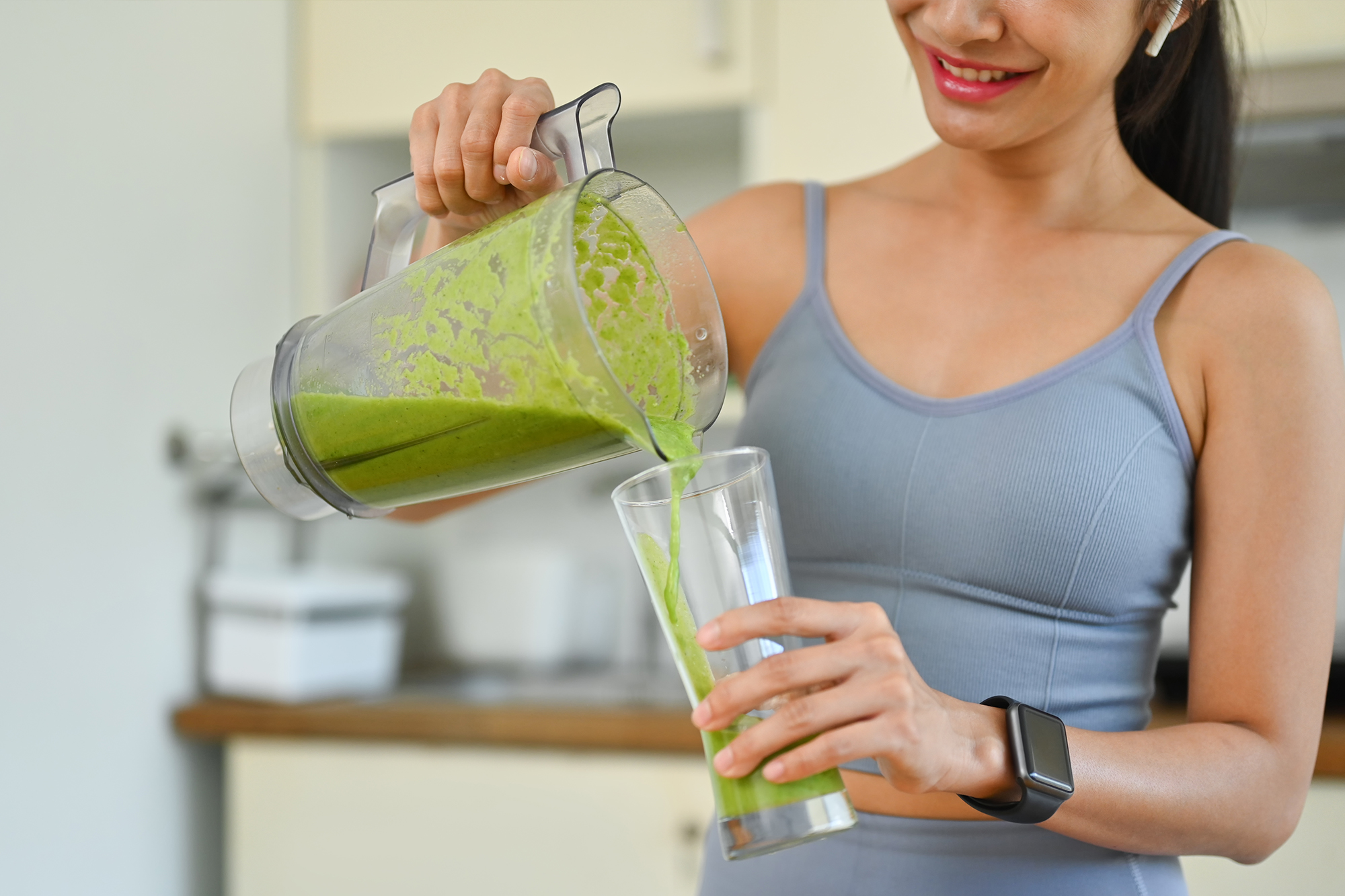

2. Pumpkin Seed Powder Smoothie
Serves 1
- Ingredients:
- 2 tablespoons pumpkin seed powder (roasted for easier digestion)
- 1 cup unsweetened almond or oat milk
- 1 banana, frozen
- ½ cup frozen berries
- 1 teaspoon honey or date syrup (optional)
- ¼ teaspoon cinnamon
- Ice cubes as needed
- Instructions:
- Place the pumpkin seed powder, milk, banana, berries, and cinnamon in a blender.
- Blend until smooth. Add ice cubes to achieve your desired consistency.
- Taste and sweeten with honey or date syrup if desired.
- Enjoy immediately for a filling breakfast rich in plant protein and healthy fats.

Takeaway
Pumpkin seeds, pumpkin seed powder, and pumpkin seed oil each offer unique nutritional benefits. Seeds deliver fiber, protein, and minerals, whereas the oil concentrates unsaturated fatty acids and antioxidants, providing cardioprotective and inflammation-supportive properties. Scientific studies show the oil supports normal prostate size1, heart health3, supports urinary function3, and may enhance hair growth.3 Austrian Styrian pumpkin seeds are particularly prized for being deep green, hull-less, and high in oil (40–50 %). Their oil has earned a protected geographic designation and the nickname “green gold” in Styria. Including both the seeds and the oil in your diet, perhaps via a Styrian vinaigrette or a pumpkin seed powder smoothie, allows you to enjoy a broader spectrum of nutrients and flavors.
Study References:
- Shaban A, Sahu RP. Pumpkin Seed Oil: An Alternative Medicine. Int J Pharmacogn Phytochem Res. 2017;9(2):11. doi: 10.25258/phyto.v9i2.8066. Epub 2017 Feb 25. PMID: 34924730; PMCID: PMC8681145. pmc.ncbi.nlm.nih.gov.
- Martinec N, Balbino S, Dobša J, Šimunić-Mežnarić V, Legen S. Macro- and microelements in pumpkin seed oils: Effect of processing, crop season, and country of origin. Food Sci Nutr. 2019 Apr 6;7(5):1634-1644. doi: 10.1002/fsn3.995. PMID: 31139376; PMCID: PMC6526651. pmc.ncbi.nlm.nih.gov.
- The Pumpkin Seed Oil: Medically reviewed by Jared Meacham, PhD., RD, CSCS — Written by Chaunie Brusie — Updated on September 27, 2024. healthline.com
Explore our trending products:
-
Herbal-zzZs – Melatonin-Free Sleep Support
$31.99 — or subscribe to save 15% Add to cart -
Black Seed-Plus Capsules
$29.99 — or subscribe to save 15% Select options This product has multiple variants. The options may be chosen on the product page -
Purely-C Whole Food Vitamin C Complex | Capsules & Bulk Powder
Price range: $37.99 through $63.99 — or subscribe to save 15% Select options This product has multiple variants. The options may be chosen on the product page -
PurelyMin Magnesium Complex
$39.99 — or subscribe to save 15% Add to cart


