

Sugar wasn’t always on every table or hiding in nearly every packaged food. For most of human history, it was scarce and expensive. That changed in the 1800s when technology made mass refining of cane and, later, beet sugar practical. By the early 1900s, the industry had exploded across the U.S. [1]. In the 1970s, another accelerant emerged: high-fructose corn syrup (HFCS), a cost-effective, easily blended liquid sweetener that rapidly displaced sucrose in sodas and processed foods [2]. HFCS is now exclusively from genetically modified corn, making it more unhealthy than it was at its inception in the 70s.
By the late 20th century, “added sugars” in the U.S. diet had climbed dramatically. The average American is now consuming about 15-16 teaspoons per day of added sugar, according to the USDA and American Heart Association… That is the equivalent of 55-60 lbs of sugar every year!

Why refined sugar is uniquely problematic
Refined white sugar (sucrose) provides “quick energy” but essentially no micronutrients—no vitamins, minerals, protein, or essential fats; it’s the definition of “empty calories” [4]. Rapidly absorbed sugars spike blood glucose and insulin, which promotes fat storage and metabolic stress.
Diseases and conditions linked to excess sugar
- Tooth decay: Free sugars are a primary driver of dental caries.
- Weight gain & obesity: Multiple systematic reviews confirm sugar-sweetened beverages (SSBs) causally promote weight gain in children and adults [6,7].
- Type 2 diabetes & insulin resistance: Excess added sugars, especially liquid sugars, contribute to weight gain and metabolic dysfunction, strong upstream risks for type 2 diabetes [5].
- Non-alcoholic fatty liver disease (NAFLD/MASLD): Reducing free sugars can lower liver fat and inflammation; clinical data in youth show notable improvements upon sugar restriction [8,9].
- Cardiovascular disease (CVD): Higher habitual SSB intake tracks with higher CVD mortality in a graded fashion; each additional daily serving is linked to ~10% higher risk [10].


Diabetes, by the numbers (U.S.)
- Total diagnosed diabetes: ~29.7 million people (~8.9% of the population) [11].
- Type 1 diabetes: ~304,000 youth under 20 have type 1; ~1.7 million adults report type 1 and use insulin [11].
- All diabetes (diagnosed + undiagnosed) in adults: ≈15–16% prevalence in 2017–2020 data [12].
(Type 1 diabetes is autoimmune—not caused by sugar—but high added-sugar intake can worsen glycemic control and cardiometabolic risk.)


Sugar & heart disease—what the evidence shows
Population heart-disease mortality has fallen since the 1970s thanks to prevention and treatment, even as added sugars rose and then modestly declined [13]. That doesn’t exonerate sugar: prospective data show people who drink more SSBs have higher CVD mortality risk, independent of total calories and other factors [10]. So now would be a good time to cut your soda, sweetened juice, energy drink, and white chocolate frappuccino intake!
Higher sugar-sweetened beverage intake correlates with higher CVD mortality risk (Malik et al., Circulation 2019) [10].


The “addictive” pull of sugar
Highly sweet, rapidly absorbed sugars engage brain reward circuits (dopamine/opioid pathways) in ways that can reinforce habitual overconsumption; reviews discuss “sugar addiction” as a spectrum concept [14,15]. From one perspective, the additive effects on the brain are not too different from those of a cocaine addict. Perhaps what makes sugar even more dangerous is the slow, unassuming way in which it wrecks a person’s health.


Health gains when you cut sugar
Short-term clinical trials show quickly measurable benefits from cutting sugar. Examples of these are improved liver fat and inflammatory markers in NAFLD, better weight control when replacing sugar-sweetened beverages with non-caloric drinks like teas and black coffee, reducing the risk of unhealthy weight gain overall [6,8,10].
Smarter sweetener swaps (use sparingly)
- Coconut sugar: Lower glycemic index than sucrose, but still an added sugar; use lightly.
- Yacón syrup: High in fructooligosaccharides (prebiotic), yielding fewer digestible sugars; very low on the glycemic index.
- Monk fruit extract: Zero-calorie non-nutritive sweetener that doesn’t raise glucose.
- Pure maple syrup: Contains trace minerals/polyphenols but remains an added sugar, treat as a flavor, not a free pass.
A 30-Day Plan to Wean Off Sugar & Re-train Your Taste Buds
Week 1 — Find it & cap it
• Log all added sugars for 3 days (labels + “hidden” sources like sauces, dressings, yogurts).
• Replace sugar-sweetened beverages with water, sparkling water, or unsweetened tea/coffee (use a small amount of “healthy sweeteners” while tapering if needed).
• Keep free sugars ≤10% of calories (ideally ≤5%) [5,6].
Week 2 — Swap & stabilize
• Make breakfast protein- and fiber-forward. Avoid breads and pastries. Stick with eggs, avocado, low sugar yogurt, berries, etc.
• Reduce recipe sugars by 50–75% and lean on spices (cinnamon/vanilla).
• Satisfy sweet urges with whole fruit first. Berries are lowest in sugar. Dates, as sweet as they are, like other sweet fruits, do not spike blood sugar like white sugar because they contain helpful dietary fiber and minerals for balance. Get rid of the candy!
Week 3 — Crowd-out ultra-processed
• Avoid foods listing sugar/HFCS/syrups/dextrose/maltodextrin.
• Double non-starchy vegetables; add legumes and intact grains to boost satiety. Quinoa over white rice.
Week 4 — Rewire & maintain
• Reduce any remaining added sweetener by another 25–50%.
• Remove tempting trigger foods; keep healthy defaults visible and ready.
• Long-term target: <5–10% of calories from free sugars most days [5].
*This educational content is for general wellness. It is not intended to diagnose, treat, cure, or prevent any disease. Individuals with diabetes or other conditions should consult a qualified healthcare professional.

Our Products for Blood Sugar Balance:
Peruvian Yacon Syrup- Low on the glycemic index, and rich in prebiotics, yacon is easy on the stomach and friendly to the gut microbiome.
Oregulin spice oils- Contains the top researched spice oils for blood sugar balance, like cinnamon, myrtle, cumin, and fenugreek. Available as an oil or in soft gels.
Black Seed oil or softgels– With bioactives like thymoquinone, black seed oil helps maintain healthy fasting glucose and insulin sensitivity when used alongside a balanced diet and lifestyle.
Oreganol P73 oil or softgels– Wild oregano oil that helps the body support insulin and glucose balance more effectively. Excellent for post-sugar recovery.
Purely Min 3X Magnesium- supports insulin signaling and glucose transport in cells, helping maintain steady blood-sugar levels when dietary intake is adequate. 200-400mg daily. Men need to take on average 100mg more each day than women.
Purely B Vitamins– B vitamins are nutrients required to support blood sugar balance at all times. The body uses them so often that they have to be replenished daily.
*B Vitamins are also available in capsule form as Purely Liver.
References (match to in-text numbers)
[1] A History of Sugar Marketing Through 1974 (USDA ERS) — historical overview of U.S. cane/beet sugar and refining
https://ers.usda.gov/sites/default/files/_laserfiche/publications/40532/50517_aer382a.pdf Economic Research Service
[2] USDA ERS: Sugar & Sweeteners—Background (HFCS adoption) — shows the rapid rise of HFCS beginning in the late 1970s
https://www.ers.usda.gov/topics/crops/sugar-and-sweeteners/background Economic Research Service
[3] USDA ERS: Food Availability (Per Capita) / Loss-Adjusted Added Sugars — data & documentation (1970s onward)
Main page: https://www.ers.usda.gov/data-products/food-availability-per-capita-data-system/
Docs: https://www.ers.usda.gov/data-products/food-availability-per-capita-data-system/loss-adjusted-food-availability-documentation Economic Research Service+1
[4] USDA FoodData Central (FDC) – “Sugars, granulated” — nutrient profile (virtually no micronutrients)
Search FDC and open the “SR Legacy / Sugars, granulated” item: https://fdc.nal.usda.gov/food-search FoodData Central
[5] WHO Guideline: Sugars intake for adults and children (2015)
https://www.who.int/publications/i/item/9789241549028 (Alt mirror at NCBI Bookshelf: https://www.ncbi.nlm.nih.gov/books/NBK285537/) World Health Organization+1
[6] Te Morenga L, et al. Dietary sugars and body weight (Systematic review & meta-analysis). BMJ, 2013
https://www.bmj.com/content/346/bmj.e7492 BMJ
[7] Hu FB. Decreasing SSBs to reduce obesity & T2D risk (review). Obesity Reviews / PubMed entry, 2013
https://pubmed.ncbi.nlm.nih.gov/23763695/ PubMed
[8] Schwimmer JB, et al. Low free-sugar diet improves pediatric NAFLD (RCT). JAMA, 2019
Article: https://jamanetwork.com/journals/jama/fullarticle/2721179
PDF: https://jamanetwork.com/journals/jama/articlepdf/2736553/jama_schwimmer_2019_lr_190034.pdf JAMA Network+1
[9] Chiu S, et al. Fructose & NAFLD markers (Systematic review & meta-analysis). Eur J Clin Nutr, 2014
PubMed: https://pubmed.ncbi.nlm.nih.gov/24569542/
Free full text: https://pmc.ncbi.nlm.nih.gov/articles/PMC3975811/ PubMed+1
[10] Malik VS, et al. SSBs & Mortality (CVD & all-cause). Circulation, 2019;139:2113–2125
Journal: https://www.ahajournals.org/doi/10.1161/circulationaha.118.037401 (PubMed: https://pubmed.ncbi.nlm.nih.gov/30882235/) AHA Journals+1
[11] CDC: National Diabetes Statistics Report (latest hub)
https://www.cdc.gov/diabetes/php/data-research/index.html (Archival index page: https://stacks.cdc.gov/view/cdc/148231) CDC+1
[12] NIDDK summary of CDC/NHANES 2017–2020 diabetes prevalence
https://www.niddk.nih.gov/health-information/health-statistics/diabetes-statistics NIDDK
[13] NCHS & AHA—U.S. heart-disease mortality trends (history & latest)
NCHS “Heart disease deaths—Health, United States”: https://www.cdc.gov/nchs/hus/topics/heart-disease-deaths.htm
AHA 2025 Statistics Update
Explore our trending products:
-
Herbal-zzZs – Melatonin-Free Sleep Support
$31.99 — or subscribe to save 15% Add to cart -
Black Seed-Plus Capsules
$29.99 — or subscribe to save 15% Select options This product has multiple variants. The options may be chosen on the product page -
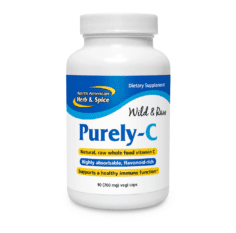
Purely-C Whole Food Vitamin C Complex
Price range: $37.99 through $63.99 — or subscribe to save 15% Select options This product has multiple variants. The options may be chosen on the product page -

PurelyMin Magnesium Complex
$39.99 — or subscribe to save 15% Add to cart


