
You slept eight hours and woke up exhausted. You’re three coffees deep by noon and still dragging. You used to be sharp, motivated, and productive, and now you can barely get through your inbox without zoning out. Something is clearly off, but every time you try to explain it, the best you can come up with is “I’m just tired.”
You’re not just tired. And you’re not lazy. What you’re experiencing has a name, maybe two, and understanding which one applies to you is the first step toward feeling like yourself again.
Terms like “burnout” and “adrenal fatigue” get tossed around constantly, often as if they mean the same thing. Understanding the difference matters if you actually want to recover your energy rather than just white-knuckle your way through another week.

The Real Problem: Chronic Stress Overload
At the root of both burnout and so-called adrenal fatigue is one core issue: chronic, unrelenting stress. And this isn’t limited to mental or emotional pressure. Poor sleep, blood sugar swings, overtraining, inflammatory diets, environmental toxins, and unresolved emotional strain all register the same way in your body. Your nervous system doesn’t rank these stressors by category. It processes every single one of them through the same pathway: the HPA axis, or hypothalamic-pituitary-adrenal axis.
In simple terms, the HPA axis is a communication chain between three parts of your body: the hypothalamus and pituitary gland in your brain, and your adrenal glands, which sit on top of your kidneys. When your brain perceives a threat or stressor, this chain fires a signal that tells your adrenals to release cortisol and other stress hormones. Once the stressor passes, the system is supposed to wind back down. The problem starts when it never gets the chance to.
The HPA axis regulates your stress hormones, most notably cortisol, and plays a central role in energy production, mood and motivation, sleep-wake cycles, and immune function. When stress is occasional, this system responds and recovers well. But when stress becomes constant, the system becomes dysregulated. Cortisol levels stop following their natural rhythm, and the downstream effects touch nearly every aspect of how you feel and perform throughout the day.

What Is “Adrenal Fatigue”?
“Adrenal fatigue” is a popular term in the wellness space used to describe a collection of symptoms tied to prolonged stress exposure. These typically include persistent fatigue that sleep doesn’t resolve, difficulty waking up, afternoon energy crashes, salt or sugar cravings, brain fog, and a reduced ability to handle even minor stressors. If that list sounds familiar, you’re not imagining things.
From a clinical standpoint, the adrenal glands don’t simply “fail” under everyday stress. However, what can happen is a dysregulation of cortisol rhythms. Instead of following a healthy pattern where cortisol is higher in the morning and tapers gradually through the evening, cortisol output can become flat, erratic, or inappropriately elevated or suppressed at the wrong times of day. This mismatch between what your body needs and what it’s producing is often what people are experiencing when they say they feel “adrenally fatigued.”
So, while “adrenal fatigue” isn’t a formal medical diagnosis, the term often points to real dysfunction in how the body manages its stress response. The symptoms are real. The mechanism just needs a more accurate name.

What Is Burnout?
Burnout is more formally recognized in both medical and psychological literature. It’s defined as a state of physical, emotional, and mental exhaustion caused by prolonged and unmanaged stress. Though commonly associated with the workplace, burnout can result from any chronic life demand, including caregiving, financial pressure, relationship strain, or even sustained physical overtraining.
Key features include emotional exhaustion, loss of motivation or purpose, reduced performance, cynicism or detachment, and a persistent sense of being overwhelmed. At a physiological level, burnout often involves overactivation of the sympathetic (“fight or flight”) nervous system paired with a significantly reduced capacity for rest, repair, and recovery.
Adrenal Fatigue vs. Burnout: The Key Difference
Here’s the simplest way to think about it. Burnout describes the experience, how you feel. Adrenal fatigue describes a proposed mechanism by which your body may be responding under the surface. They overlap heavily, but they’re not identical.
In most cases, people dealing with either state are experiencing a dysregulated stress response system. That means the solution isn’t just “rest more” or “push through.” It’s about actively restoring balance to the body, and that requires giving it the right inputs consistently over time.

How to Support Your Body Naturally
Rather than chasing labels, focus on supporting the systems involved in stress, energy, and recovery. Below are key nutrients and compounds that play a meaningful role in helping the body rebuild.
Magnesium- The Foundation Mineral. Magnesium is one of the most critical nutrients for stress regulation, involved in over 300 biochemical reactions, including nervous system function, muscle relaxation, sleep quality, and energy production. Under stress, magnesium is depleted faster than normal, which creates a vicious cycle of deepening deficiency and heightened stress reactivity. Supplementing with magnesium may help promote relaxation, support healthy sleep patterns, and maintain normal nerve and muscle function.
Ashwagandha- Adaptation Support. Ashwagandha is an adaptogenic herb traditionally used to help the body adapt to stress. Adaptogens are unique because they don’t simply stimulate or sedate. They help normalize function, meeting your body where it is. Ashwagandha may help the body manage occasional stress, support a balanced cortisol response, and promote a sustained sense of calm and resilience over time. Moreover, Ashwagandha supports a healthy sleep cycle, a benefit that adds to stress recovery over time.
Pumpkin Seeds- Mineral and Nutrient Density. Pumpkin seeds are often overlooked, but they’re packed with nutrients directly relevant to stress recovery, including magnesium, iron, zinc, and healthy fats. These nutrients play important roles in hormonal balance, nervous system support, and cellular energy production. Pumpkin seeds provide key minerals that may become depleted during periods of prolonged stress, making them a valuable and whole-food-based addition to any recovery-focused routine.
B Vitamins- Energy and Stress Metabolism. B vitamins are essential for converting food into usable energy and supporting the nervous system when it’s under heavy demand. Key players include B5 (pantothenic acid), which is often associated with adrenal support; B6, which is involved in neurotransmitter production and mood regulation; and B12, which supports both energy levels and cognitive function. Together, these vitamins help maintain normal energy metabolism and assist the body in managing occasional stress more effectively.
Vitamin C- A High-Demand Stress Antioxidant. The adrenal glands contain some of the highest concentrations of vitamin C in the entire body, and during periods of stress, demand for this nutrient increases significantly. Vitamin C supports immune function, acts as a powerful antioxidant, and helps the body mount an appropriate response to everyday stressors. Keeping your levels adequate during high-stress periods is especially important for maintaining overall resilience.
Royal Jelly- Nature’s Nutrient Concentrate. Royal jelly deserves more attention than it gets. It’s a nutrient-dense substance produced by honeybees and reserved exclusively to feed the queen bee, the only bee in the hive that reproduces, outlives her workers by years, and maintains extraordinary vitality throughout her life. Royal jelly contains a rare compound called 10-HDA (10-hydroxy-2-decenoic acid), a unique fatty acid found nowhere else in nature, which has been studied for its role in supporting healthy inflammatory responses and cellular communication. It also delivers B vitamins (including pantothenic acid), acetylcholine (a key neurotransmitter involved in memory, focus, and nervous system signaling), and a broad spectrum of amino acids. For someone dealing with prolonged stress, that combination is especially relevant: it touches the nervous system, hormonal signaling, and energy production all at once. Traditionally used as a restorative tonic across multiple cultures, royal jelly may help support the body’s natural stress adaptation processes and promote sustained vitality when you need it most.

Recovery Is a System, not a Shortcut
No single supplement will resolve burnout or adrenal-related symptoms on its own. True recovery comes from stacking multiple inputs: consistent sleep, stable blood sugar, a nutrient-dense diet, regular stress management practices, and strategic supplementation to fill the gaps your diet may not cover. Think of it as rebuilding your body’s capacity over time, not masking symptoms with a quick fix.
The people who recover fastest are the ones who treat this as a system. They address sleep, nutrition, movement, and stress together, rather than looking for a single solution to do all the heavy lifting. Small, consistent changes compound. That’s where real progress lives.
Final Takeaway
If you’re feeling exhausted, overwhelmed, and not functioning at your best, something real is happening, even if the label isn’t perfect. Whether you call it burnout or adrenal fatigue, the underlying issue is often a body that has been under stress for too long without adequate recovery.
The good news? With the right support, nutritional, lifestyle, and supplemental tools, you can begin to restore balance and rebuild your energy over time. Your body wants to heal. Give it what it needs, and it will.
Explore our trending products:
-
Herbal-zzZs – Melatonin-Free Sleep Support
$31.99 — or subscribe to save 15% Add to cart -
Black Seed-Plus Capsules
$29.99 — or subscribe to save 15% Select options This product has multiple variants. The options may be chosen on the product page -
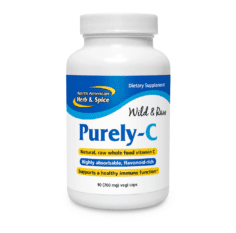
Purely-C Whole Food Vitamin C Complex | Capsules & Bulk Powder
Price range: $37.99 through $63.99 — or subscribe to save 15% Select options This product has multiple variants. The options may be chosen on the product page -
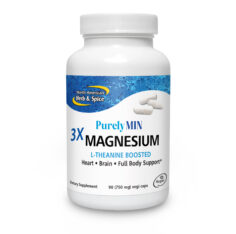
PurelyMin Magnesium Complex
$39.99 — or subscribe to save 15% Add to cart


