
Every spring, as the weather warms and clothing layers thin, the same panic sets in: the scramble for the summer body. Gym memberships spike, crash diets trend, and millions embark on unsustainable fitness journeys destined to fizzle out by July. But what if this year was different? What if you committed to building a body and lifestyle that serves you not just for summer, but for the rest of your life? Looking and feeling your best isn’t about deprivation; it’s about creating sustainable habits built on three pillars: nourishing your body with real food, moving consistently, and supporting your biology with targeted nutrients.

The Foundation: Eating Real Food, Not Products
Before we dive into supplements and exercise, we need to address the foundation: what you eat. Your body is literally built from the food you consume, and the quality of those building blocks matters immensely.
Start by eliminating foods that work against you. Processed foods, sugary drinks, seed oils, refined carbohydrates, and conventional breads promote inflammation and metabolic dysfunction that sabotage lasting results.
Build your diet around foods humans have thrived on for millennia. Choose organic produce, grass-fed meats (higher omega-3 fatty acids), and pasture-raised eggs (superior vitamins A, E, and omega-3s).
Here’s where many go wrong: cooking healthy ingredients in toxic fats. Seed oils like canola, soybean, and vegetable oil are highly processed and pro-inflammatory. Instead, cook exclusively with avocado oil, grass-fed ghee, beef tallow, coconut oil, and butter. These are stable fats that support hormone production.
If you’re going to eat bread, make it count. Skip the grocery store loaves filled with preservatives and refined flour. True sourdough bread, made through traditional fermentation, is more digestible, has a lower glycemic impact, and contains beneficial compounds created during the fermentation process. It’s the only bread worth eating.

Movement That Matters: Exercise for Lifelong Results
Nutrition lays the groundwork, but movement builds the structure. The key isn’t exercising more, it’s exercising smarter. The most effective approach combines strength training, high-intensity intervals, and daily movement.
Strength training should be your cornerstone. Lifting weights builds lean muscle, increases metabolism, and improves insulin sensitivity. Focus on compound movements like squats, deadlifts, and presses that engage multiple muscle groups. Three to four strength sessions per week is sufficient for most people.
High-intensity interval training (HIIT) delivers maximum benefits in minimum time. Just two to three 20–30-minute HIIT sessions weekly can improve cardiovascular health, enhance fat burning, and boost growth hormone production.
Don’t neglect daily movement. Walking 8,000-10,000 steps daily, taking stairs, and staying active support metabolic health and recovery. Research shows that breaking up prolonged sitting with light activity significantly improves metabolic markers.
Nutritional Support: The Strategic Advantage
Even with pristine nutrition and consistent training, strategic supplementation can optimize your results by addressing common nutrient deficiencies and supporting specific physiological processes. Let’s explore the most impactful supplements for building and maintaining a healthy, vibrant body.
Magnesium: The Master Mineral
Magnesium is involved in over 600 enzymatic reactions in your body, including protein synthesis, muscle function, and energy production. Unfortunately, an estimated 50% of Americans don’t meet the recommended dietary allowance, making deficiency incredibly common.
For fitness and body composition, magnesium supports muscle contraction and relaxation, aids post-exercise recovery, helps regulate blood sugar, and promotes quality sleep, when your body performs the majority of repair. Studies have shown that magnesium supplementation may improve exercise performance and reduce muscle damage following intense training.

Not all magnesium supplements are equal. Magnesium glycinate is highly bioavailable and gentle on digestion. Magnesium taurate supports cardiovascular function and muscle recovery. Magnesium threonate uniquely crosses the blood-brain barrier, supporting cognitive function and sleep. Avoid magnesium oxide, which has poor absorption. We offer all 3 top forms in our Purely Min 3X Magnesium Capsules.
Grass-Fed Beef Liver: Nature’s Multivitamin
If there’s one supplement that deserves the title of superfood, it’s grass-fed beef liver. Ounce for ounce, liver is one of the most nutrient-dense foods on the planet, containing more vitamins and minerals than almost any other food.
Beef liver is extraordinarily rich in vitamin A (in bioavailable retinol form), B vitamins (especially B12 for energy and nervous system health), iron (in highly absorbable heme form), copper, and choline. It also contains all essential amino acids in optimal ratios for muscle building.
Why New Zealand grass-fed liver? New Zealand has some of the strictest agricultural standards worldwide. Their cattle are raised on pasture year-round, never given growth hormones or unnecessary antibiotics, producing liver with superior nutrient density and minimal contamination risk.
For muscle building, the liver provides all the amino acids needed to synthesize new muscle tissue, along with B vitamins required for protein metabolism. High iron content supports oxygen delivery to muscles, enhancing performance. Vitamin A supports protein synthesis and immune function, while choline supports liver health and fat metabolism.

Most people won’t cook and eat liver regularly. That’s where raw, freeze-dried liver capsules become invaluable, providing all nutritional benefits in a convenient, tasteless form. Look for freeze-dried, grass-fed New Zealand beef liver capsules from reputable sources, like our Purely Liver capsules.
Wild-Caught Salmon: The Performance Enhancer
Wild-caught salmon, whether as a whole food or fish oil, provides omega-3 fatty acids (EPA and DHA) that profoundly impact body composition, performance, and recovery.
Research demonstrates that omega-3s support muscle protein synthesis, particularly in older adults, helping you build and maintain lean muscle. They reduce exercise-induced inflammation and soreness, allowing faster recovery. Omega-3s improve insulin sensitivity, helping your body partition nutrients toward muscle rather than fat storage. Studies show omega-3 supplementation may enhance muscle strength gains when combined with resistance training and improve mitochondrial function, your cellular energy powerhouses.
Why wild-caught specifically? Farmed salmon contains significantly lower omega-3 levels and higher omega-6 fatty acids, disrupting the anti-inflammatory ratio you’re optimizing. Wild-caught salmon from clean waters provides the omega-3 profile nature intended.

For those who don’t regularly consume fatty fish, a high-quality fish oil providing at least 1-2 grams of combined EPA and DHA daily can deliver these benefits. Look for third-party tested products for purity, such as our Polar Power capsules and oil.
Zinc Plus Vitamin C: The Recovery and Renewal Duo
Zinc and vitamin C work synergistically to support immune function, tissue repair, skin health, and anti-aging processes, all crucial when you’re training hard and asking your body to continuously adapt and improve.
Zinc is essential for protein synthesis and cell division, making it critical for muscle recovery and growth. It supports testosterone production and immune function, both of which directly impact training capacity. Zinc also plays a vital role in skin health and wound healing. Studies suggest zinc supplementation may improve immune function and reduce illness duration.
Vitamin C is a powerful antioxidant protecting cells from oxidative stress during intense exercise. It’s essential for collagen synthesis, supporting tendons, ligaments, skin, and blood vessels. Vitamin C supports immune function and iron absorption. Research indicates it may reduce muscle soreness and support faster recovery.
Together, zinc and vitamin C create a powerful combination for skin health and anti-aging. Zinc regulates oil production, reduces inflammation, and supports skin healing, while vitamin C promotes collagen production and protects against UV damage.

Prioritize whole food sources: grassfed pasture-raised red meat, and pumpkin seeds for zinc; organic citrus fruits, bell peppers, and strawberries for vitamin C. When supplementing, look for zinc picolinate or glycinate for better absorption, or better yet, true whole food sources for enhanced effectiveness. Few companies offer this but North American Herb & Spice has you covered with Purely Zinc: containing Austrian pumpkin seed and Camu Camu berry powder. Delicious and nutritious! It goes great in smoothies/shakes.

Bringing It All Together: Your Sustainable Lifestyle Blueprint
Getting in shape for life isn’t about perfection—it’s about consistency with fundamentals. Eat real, nutrient-dense foods. Move your body regularly. Support your biology with strategic supplementation.
This year, make a different choice. Instead of chasing a temporary summer body, commit to a lifestyle that serves you for decades. The results are undeniable and worth it: increased energy, improved body composition, better sleep, and enhanced mental clarity. These aren’t seasonal. They’re sustainable. And they begin with the choices you make today!
References
1. Zhang, Y., et al. (2017). Can magnesium enhance exercise performance? Nutrients, 9(9), 946.
2. Smith, G.I., et al. (2011). Omega-3 polyunsaturated fatty acids augment the muscle protein anabolic response to hyperinsulinaemia-hyperaminoacidaemia in healthy young and middle-aged men and women. Clinical Science, 121(6), 267-278.
3. Hemilä, H., & Chalker, E. (2013). Vitamin C for preventing and treating the common cold. Cochrane Database of Systematic Reviews, 1.
4. Prasad, A.S. (2008). Zinc in human health: Effect of zinc on immune cells. Molecular Medicine, 14(5-6), 353-357.
5. DiNicolantonio, J.J., & O’Keefe, J.H. (2018). Omega-6 vegetable oils as a driver of coronary heart disease: the oxidized linoleic acid hypothesis. Open Heart, 5(2).
6. Costantini, L., et al. (2017). Impact of omega-3 fatty acids on the gut microbiota. International Journal of Molecular Sciences, 18(12), 2645.
7. Nielsen, F.H., & Lukaski, H.C. (2006). Update on the relationship between magnesium and exercise. Magnesium Research, 19(3), 180-189.
8. Li, R.R., Yu, Q.L., Han, L., & Cao, H. (2014). Nutritional characteristics and active components in liver from Wagyu×Qinchuan cattle. Korean Journal of Food Science of Animal Resources, 34(2), 214-220. https://pmc.ncbi.nlm.nih.gov/articles/PMC4597842/
These statements have not been evaluated by the Food and Drug Administration. This product is not intended to diagnose, treat, cure, or prevent any disease.
Explore our trending products:
-
Herbal-zzZs – Melatonin-Free Sleep Support
$31.99 — or subscribe to save 15% Add to cart -
Black Seed-Plus Capsules
$29.99 — or subscribe to save 15% Select options This product has multiple variants. The options may be chosen on the product page -
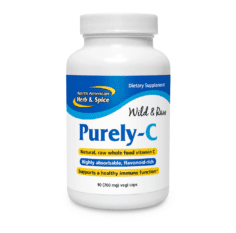
Purely-C Whole Food Vitamin C Complex | Capsules & Bulk Powder
Price range: $37.99 through $63.99 — or subscribe to save 15% Select options This product has multiple variants. The options may be chosen on the product page -
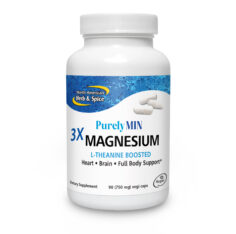
PurelyMin Magnesium Complex
$39.99 — or subscribe to save 15% Add to cart


