

When seasonal changes arrive, millions of people experience sneezing, congestion, itchy eyes, and other symptoms. Natural approaches that work with your body’s own mechanisms offer a path backed by published research. Let’s examine how specific compounds help maintain normal histamine levels and support the body’s natural responses.
The body’s response to environmental particles involves the immune system identifying certain substances as potential threats. This triggers the release of histamine and other compounds from mast cells. Understanding this process reveals why certain natural compounds, many used traditionally for millennia, have attracted scientific interest for their potential to support normal immune function during seasonal changes.
The following five natural approaches have been studied in research for their role in normal histamine metabolism, healthy inflammatory pathways, and immune function. Each works through distinct mechanisms that support the body’s natural processes.

1. Wild Oregano Oil: Supporting Normal Histamine Metabolism
Wild oregano oil from high-altitude Mediterranean sources contains carvacrol, a bioactive compound that has been extensively studied. Unlike common culinary oregano, wild P73 Oreganol (a blend of the top species), which grows in harsh, rocky terrain at elevations above 6,000 feet, develops significantly higher concentrations of bioactive compounds. The mineral-rich soil and intense sun exposure create environmental stressors that cause the plant to produce more robust phytochemical profiles as an adaptive mechanism.
Research published in Experimental and Therapeutic Medicine examined carvacrol’s role in normal mast cell function, the immune cells involved in histamine release. The study documented carvacrol’s interaction with mast cell processes.1 This mechanism has been of interest to researchers studying normal immune responses to environmental factors.
Additional studies have explored oregano oil’s broader role in immune function. Wild-harvested Oreganol P73 from rocky, mineral-rich terrain provides not just carvacrol, but a full spectrum of complementary compounds, including thymol, rosmarinic acid, and other various terpenes that work synergistically.2
How to use: Take 5-7 drops of wild oregano oil 2-3 times daily with meals during allergy season.

2. Turkish Black Seed Oil: Ancient Remedy, Modern Research
Black seed oil (Nigella sativa), particularly sourced from Turkey, has been used in traditional wellness practices for over 2,000 years. References to black seed appear in ancient texts from Greek, Egyptian, and Islamic traditions, where it was valued for general wellness purposes. The small black seeds come from a flowering plant in the Ranunculaceae family. When cold-pressed, they yield a dark amber oil rich in thymoquinone, thymo-hydroquinone, essential fatty acids, plant sterols, melanin, thymol, and carvacrol. These have become the subjects of modern nutritional research.
A comprehensive review published in Phytotherapy Research examined multiple clinical trials on black seed oil for allergic rhinitis (hay fever). The analysis found that black seed oil supplementation was associated with significant reductions in nasal congestion, sneezing, and nasal itching compared to placebo groups.3 Participants also reported improvements in quality-of-life measures during allergy season.
The mechanism appears to involve multiple pathways. Research in the American Journal of Otolaryngology documented how thymoquinone relates to normal IgE antibody levels (immune proteins involved in the body’s response to environmental particles) and the body’s natural inflammatory processes in the nasal passages.4 This dual mechanism has made black seed oil a subject of ongoing research interest.
How to use: Take 1-2 teaspoons of high-quality, cold-pressed black seed oil daily, or use the soft gel form (typically 2-4 soft gels daily). For best results, use consistently throughout allergy season rather than waiting until symptoms appear.

3. Camu Camu Berries: Nature’s Vitamin C Plus Quercetin
Camu Camu, an Amazonian berry, provides exceptionally high vitamin C along with naturally occurring quercetin. Research in the Journal of Nutrition examined vitamin C’s role in normal histamine metabolism.5 The research documented a relationship between vitamin C intake and blood histamine levels.
The quercetin in Camu Camu adds another dimension. Quercetin is a yellow crystalline pigment present in plants, used as a food supplement to Support a healthy immune response.
A study in Molecules documented quercetin’s interaction with mast cell processes.6 Whole-food sources provide cofactors that enhance vitamin C absorption beyond isolated ascorbic acid.
How to use: Add Purely C Camu Camu powder or capsules to smoothies or water. A typical amount provides 1000-2000mg of natural vitamin C daily, divided into 2-3 servings. Pro Tip- The powder provides 2x the C per serving vs the capsules.

4. Wild-Caught Sockeye Salmon: Omega-3s, Vitamin A, and Vitamin D for Immune Balance
Wild sockeye salmon provides omega-3 fatty acids (EPA and DHA), vitamins A & D. Research in the European Journal of Clinical Nutrition examined omega-3 supplementation and documented observations related to nasal airflow and inflammatory markers.7
Vitamin A plays a role in maintaining normal respiratory tract mucosal structures. Studies in the Journal of Immunology document its relationship to secretory IgA, an antibody present in mucosal tissues.8 Wild salmon’s deep red color indicates high astaxanthin content, a naturally occurring carotenoid antioxidant, supporting the natural longevity of the cells that make up the mucosal tissues.
How to use: Consume 2-3 servings of wild-caught salmon weekly or use high-quality wild salmon oil supplements with minimal processing. Note: NAHS always minimally processes our salmon oil with the lowest heat possible. This ensures freshness and prevents rancidity, which is very prevalent in the supplement industry.

5. Nasal Wash: Sea Salt and Potent Spice Oils
Nasal irrigation with sea salt creates a simple approach to nasal hygiene. A systematic review in the American Journal of Rhinology & Allergy examined saline irrigation research.9 The irrigation process physically rinses nasal passages.
Adding essential oils is a traditional practice. Research in Molecules has documented the microbial balancing properties of essential oils from medicinal plants.10 Different oils contribute different compounds: oregano contains carvacrol, clove contains eugenol, bay leaf contains eucalyptol, and sage contains various antioxidant compounds.
How to use: Use a neti pot or sinus mist (NAHS offers SinuOrega), appropriate sea salt and essential oil blend, 1-2 times (or more) daily during allergy season.
Understanding These Natural Approaches Together
These five approaches have each been subjects of research examining their roles in normal body processes. Wild oregano and black seed oil have been studied for their relationship to histamine metabolism. Vitamin C from camu camu has been examined for its role in normal cellular function. Omega-3s and vitamin A from wild salmon support nutritional status. Nasal irrigation is a traditional hygiene practice.
Many people choose to incorporate these nutritional approaches as part of their wellness routine during seasonal changes.
Your Complete Seasonal Support Wellness Stack:
- Wild Oregano oil- Oreganol P73 soft gels and oil
- Turkish Black Seed oil- Soft gels and oil
- Camu Camu Berries- Purely C capsules and powder
- Wild Caught Sockeye Salmon- Polar Power
- Sea Salt Nasal Wash w/ Spice oils- SinuOrega

References
1. Kim JY, et al. Carvacrol suppresses immunoglobulin E-mediated allergic response by inhibition of mast cell degranulation. Exp Ther Med. 2014;8(4):1015-1020. https://pubmed.ncbi.nlm.nih.gov/25187792/
2. Baser KHC. Biological and pharmacological activities of carvacrol and carvacrol bearing essential oils. Curr Pharm Des. 2008;14(29):3106-3119. https://pubmed.ncbi.nlm.nih.gov/19075694/
3. Nikakhlagh S, et al. Herbal treatment of allergic rhinitis: the use of Nigella sativa. Am J Otolaryngol. 2011;32(5):402-407. https://pubmed.ncbi.nlm.nih.gov/20947211/
4. Koshak A, et al. Nigella sativa supplementation improves asthma control and biomarkers: A randomized, double-blind, placebo-controlled trial. Phytother Res. 2017;31(3):403-409. https://pubmed.ncbi.nlm.nih.gov/28093824/
5. Johnston CS, et al. Antihistamine effect of supplemental ascorbic acid and neutrophil chemotaxis. J Am Coll Nutr. 1992;11(2):172-176. https://pubmed.ncbi.nlm.nih.gov/1578094/
6. Mlcek J, et al. Quercetin and its anti-allergic immune response. Molecules. 2016;21(5):623. https://pubmed.ncbi.nlm.nih.gov/27187333/
7. Nagakura T, et al. Dietary supplementation with fish oil rich in omega-3 polyunsaturated fatty acids in children with bronchial asthma. Eur Respir J. 2000;16(5):861-865. https://pubmed.ncbi.nlm.nih.gov/11153584/
8. Raverdeau M, Mills KHG. Modulation of T cell and innate immune responses by retinoic acid. J Immunol. 2014;192(7):2953-2958. https://pubmed.ncbi.nlm.nih.gov/24659788/
9. Hermelingmeier KE, et al. Nasal irrigation as an adjunctive treatment in allergic rhinitis: A systematic review and meta-analysis. Am J Rhinol Allergy. 2012;26(5):e119-e125. https://pubmed.ncbi.nlm.nih.gov/23168142/
10. Choi JH, et al. Essential oils from medicinal plants and their antimicrobial and antioxidant properties. Molecules. 2016;21(9):1176. https://pubmed.ncbi.nlm.nih.gov/27618899/
*These statements have not been evaluated by the Food and Drug Administration. The products and approaches discussed are not intended to diagnose, treat, cure, or prevent any disease. Consult with a qualified healthcare professional before making significant dietary changes or starting any supplementation program, especially if you have existing health conditions, are pregnant or nursing, or are taking medications.
Explore our trending products:
-
Herbal-zzZs – Melatonin-Free Sleep Support
$31.99 — or subscribe to save 15% Add to cart -
Black Seed-Plus Capsules
$29.99 — or subscribe to save 15% Select options This product has multiple variants. The options may be chosen on the product page -
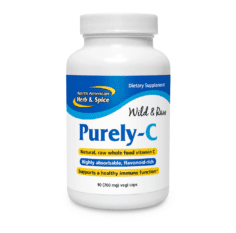
Purely-C Whole Food Vitamin C Complex
Price range: $37.99 through $63.99 — or subscribe to save 15% Select options This product has multiple variants. The options may be chosen on the product page -
PurelyMin Magnesium Complex
$39.99 — or subscribe to save 15% Add to cart


