

Heavy metals are naturally occurring elements found in the Earth’s crust; however, modern industrial life has significantly increased human exposure. While some metals are essential in trace amounts, toxic heavy metals such as lead, mercury, cadmium, arsenic, aluminum, and chromium can accumulate in the body and disrupt normal biological function, even at relatively low levels.
This article summarizes what heavy metals are, how exposure occurs, why they are harmful, and how natural, food- and herb-based strategies may support the body’s detoxification systems, based on current toxicology research.
What Are Heavy Metals?
Heavy metals are metallic elements with relatively high density that can be toxic even at low concentrations. Unlike many chemicals, heavy metals do not degrade or disappear over time. Once introduced into the environment or the body, they may persist for years or even decades.

According to the review, the most clinically relevant toxic heavy metals include:
- Lead (Pb)
- Mercury (Hg)
- Cadmium (Cd)
- Arsenic (As)
- Aluminum (Al)
- Chromium (Cr), particularly hexavalent chromium
These metals are classified as systemic toxicants, meaning they can affect multiple organs and systems simultaneously. Several are also recognized as known or probable human carcinogens
Common Sources of Exposure

Human exposure occurs through multiple everyday pathways:
1. Food and Water
- Contaminated drinking water (especially from aging pipes)
- Seafood (mercury)*
- Rice and grains (arsenic, cadmium)*
- Certain spices, such as cinnamon and turmeric*
- Dark chocolate*
- Baby Food*
- Produce grown in contaminated soil*- very common
- Food additives, cookware, or packaging (aluminum)
*Unacceptable and dangerous levels have even been found in organic foods.
2. Air and Dust

- Industrial emissions
- Traffic and combustion byproducts
- Cigarette smoke (a major cadmium source)
- Occupational inhalation (welding, smelting, mining)
3. Household and Environmental Contact

- Paint, batteries, fertilizers, pesticides
- Personal care products and antiperspirants (deodorants)
- Construction materials and aluminum dust
*Because exposure is chronic and cumulative, many people carry a measurable body burden without obvious short-term symptoms.
Why Heavy Metals Are Harmful
1. Bioaccumulation and Long Half-Lives
Heavy metals accumulate in tissues such as the brain, kidneys, liver, bones, and gut. Some, like cadmium, have biological half-lives of 15–20 years, while aluminum may persist in the brain for seven years or more
2. Oxidative Stress
A central mechanism of toxicity is oxidative stress. Heavy metals interfere with antioxidant systems by:
- Binding to glutathione (GSH)
- Inhibiting antioxidant enzymes such as superoxide dismutase, catalase, and glutathione peroxidase
- Increasing reactive oxygen species (ROS)
This oxidative burden damages cell membranes, proteins, mitochondria, and DNA.
3. Disruption of Essential Minerals
Heavy metals can mimic or displace essential minerals such as magnesium, calcium, iron, zinc, and copper. When toxic metals replace these nutrients in enzymes or transport systems, normal metabolic and neurological processes can and will break down.
4. Mitochondrial Dysfunction
Mitochondria, the cell’s energy generators, are highly sensitive to heavy metals. Damage to mitochondrial membranes and enzymes leads to:
- Reduced ATP production
- Increased inflammation
- Activation of programmed cell death (apoptosis)

Health Systems Commonly Affected
The review documents consistent associations between heavy metal exposure and dysfunction in multiple organ systems.
Neurological System
- Cognitive decline
- Neuroinflammation
- Increased risk of neurodegenerative conditions
- Disruption of neurotransmitter balance
Kidneys
- Impaired filtration
- Protein loss in urine
- Electrolyte imbalances
- Long-term nephrotoxicity
Cardiovascular System
- Increased blood pressure
- Endothelial dysfunction
- Altered cholesterol metabolism
- Atherosclerotic risk
Gastrointestinal Tract
- Increased intestinal permeability (“leaky gut”)
- Altered microbiome balance
- Chronic low-grade inflammation
- Impaired nutrient absorption
Immune and Inflammatory Pathways
- Elevated inflammatory cytokines
- Suppressed immune resilience
- Greater vulnerability to chronic disease
The Body’s Natural Defense Systems
The human body is not defenseless. It relies on:
- Liver detoxification enzymes
- Bile production and elimination
- Kidney filtration
- Intestinal binding and excretion
- Endogenous antioxidants (especially glutathione)
However, chronic exposure, nutrient deficiencies, and poor gut function can overwhelm these systems, making nutritional and botanical support especially relevant.
Natural Solutions That Support Detox Pathways

The following natural compounds are not drugs or chelation therapies. Instead, they support the body’s innate detoxification, antioxidant, and elimination mechanisms.
Oregano
Rich in polyphenols and antioxidant compounds, oregano supports:
- Cellular antioxidant defenses
- Healthy inflammatory balance
- Microbial balance in the gut, which indirectly supports toxin elimination
Cumin
Traditionally used for digestion and liver support, cumin:
- Stimulates bile flow
- Supports enzymatic detox pathways
- Provides antioxidant protection against oxidative stress
Fennel
Fennel seeds are known for:
- Supporting digestion and gut motility
- Reducing gas and bloating
- Encouraging regular elimination, an essential step in toxin clearance
Psyllium Husks
A critical component of detox support:
- Acts as a binding fiber in the intestines
- Helps trap metals and toxins in bile
- Promotes regular bowel movements to prevent reabsorption
Cat’s Claw
Traditionally used to support immune balance, cat’s claw:
- Modulates inflammatory pathways
- Provides antioxidant support
- May help protect tissues from oxidative injury
Dandelion
Both leaf and root are valuable:
- Supports liver enzyme activity
- Encourages bile production
- Promotes kidney and urinary elimination
Cilantro
Cilantro has been studied for its ability to:
- Supports the mobilization of certain metals
- Work synergistically with binding fibers
- Enhance overall detox capacity when elimination pathways are open
Magnesium
One of the most important yet overlooked minerals:
- Competes with toxic metals for binding sites
- Supports hundreds of enzymatic reactions
- Helps maintain normal nerve, muscle, and mitochondrial function
- Assists regular bowel movements, supporting elimination
Putting It All Together
Heavy metal exposure is not rare; it is part of modern life. The key risks come from chronic accumulation, oxidative stress, mineral displacement, and impaired elimination, rather than acute poisoning alone.
While medical chelation may be appropriate in specific clinical situations, daily nutritional and botanical support offers a practical, long-term strategy for supporting the body’s natural detoxification systems.
By:
- Reducing ongoing exposure,
- Supporting antioxidant defenses,
- Maintaining gut and liver function,
- And ensuring adequate mineral intake,
Individuals can help maintain resilience in an increasingly contaminated environment.
Source:
Adapted and condensed from Heavy metals: toxicity and human health effects, Archives of Toxicology(2025)
*The information above is for educational purposes about general wellness. These botanicals and nutrients are not intended to diagnose, treat, cure, or prevent any disease.
Explore our trending products:
-
Herbal-zzZs – Melatonin-Free Sleep Support
$31.99 — or subscribe to save 15% Add to cart -
Black Seed-Plus Capsules
$29.99 — or subscribe to save 15% Select options This product has multiple variants. The options may be chosen on the product page -
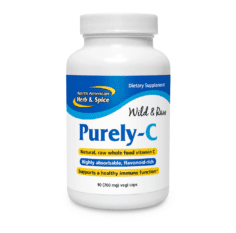
Purely-C Whole Food Vitamin C Complex
Price range: $37.99 through $63.99 — or subscribe to save 15% Select options This product has multiple variants. The options may be chosen on the product page -
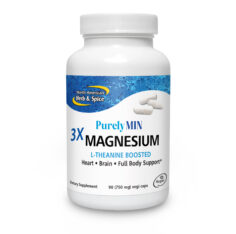
PurelyMin Magnesium Complex
$39.99 — or subscribe to save 15% Add to cart


