
At the end of every summer, right as backpacks and sharpened pencils make their return, the same pattern follows close behind: coughs, sniffles, and stomach bugs moving through the classroom and into the house within the first few weeks. It isn’t bad luck. It’s how shared classrooms and still-developing immune systems work, and it touches every age group, just differently depending on the child. What helps looks different depending on how old your child is.
This year, we wanted to take a different approach than the general back-to-school checklists we’ve shared in years past. Instead of one-size-fits-all tips, we’re breaking down what nutrients and herbs matter most for kids ages 3 to 12, plus what to reach for once they graduate into our adult line as teenagers, along with a new product joining our immune support lineup for the first time.

The Real Cost of Back-to-School Season
The numbers behind “everyone in the house is sick” are more specific than most parents realize. In a surveillance study following children under 18 through a full respiratory virus season, 69% of school-aged children (5 to 12) and 69% of teens (13 to 17) who came down with a confirmed viral infection missed at least one day of school. On the household side, 42% of families with an infected 5-to-12-year-old had an adult miss at least a day of work, compared with 38% for households with a child under 5 and 23% for households with a teenager. Rhinovirus tends to be the first wave each new school year, typically hitting hardest among preschoolers and early elementary kids, with RSV, influenza, and norovirus following through the winter months. In short: the classroom is where it starts, but the whole household absorbs the impact.

Ages 3-6: Building the Foundation
The preschool and early elementary years are peak germ-incubator territory: shared toys and supplies, still-developing handwashing habits, and immune systems that are, quite literally, still under construction. Kids at this age haven’t yet built up the exposure history that older children and adults rely on, which is part of why this age group tends to bring home the most illness, and often the earliest in the school year.
Nutrient needs step up quickly within this range. The NIH sets vitamin C at 15 mg/day and zinc at 3 mg/day for children ages 1 to 3, climbing to 25 mg/day and 5 mg/day respectively by age 4. Both nutrients play a role in normal immune cell function, and picky eaters at this age (citrus and leafy greens are common battlegrounds) often fall short of even these modest numbers.
What helps at this age: a simple, kid-friendly daily immune routine they’ll take without a fight.
OregaCinn Drops: Our P73 wild oregano oil (the original, wild, mountain-grown, multi-species blend that’s earned trust in the marketplace for over 30 years) in a cinnamon base, formulated specifically for kids’ taste preferences, for daily immune support. Shop OregaCinn Drops
Kids-C Plus Drops: a whole food vitamin C, made from organic camu camu berry with natural flavonoids and minerals, no synthetic vitamin C, additives, or colorings. Shop Kids-C Plus Drops
KidsCalm: a blend of CO2-extracted hops, chamomile, oregano, and cinnamon oils, formulated for nervous system support. A gentle option at this age when new routines feel like a lot. Shop KidsCalm

Ages 7-12: More Independence, More Pressure
This is the stretch where kids take on more of their own routines: managing their own backpacks, homework schedules, and often a heavier load of extracurriculars and sports. Nutrient needs keep climbing too. Vitamin C moves from 25 mg/day at the start of this range to 45 mg/day by age 9, and zinc from 5 mg/day to 8 mg/day over the same span, roughly triple where it started at age 3. Magnesium follows the same trajectory, rising from 130 mg/day to 240 mg/day across this bracket. It’s a nutrient worth knowing about now, even before a dedicated magnesium option enters the picture in the teen years.
It’s also when the brain enters a significant stretch of development. Omega-3 fatty acids, particularly DHA, are structural building blocks of brain tissue, and demand for them doesn’t slow down just because summer’s over.
What helps at this age: continued immune basics, plus brain support as academics and activities ramp up.
All-Omega: a whole food omega-3, 6, and 9 complex from wild Alaskan sockeye salmon, providing EPA, DHA, and natural vitamins A and D, formulated to support cell membranes and brain development throughout the body. Shop All-Omega
KidsCalm: the same nervous system support from the 3-6 bracket. Extra drops can also help with restful sleep as homework loads and after-school schedules pick up. Shop KidsCalm
Continue the immune-support basics from the 3-6 bracket (OregaCinn Drops, Kids-C Plus Drops, or the new Elderberry Drops below). The daily habit matters more than the exact product at this stage.

Ages 13 and Up: Graduating to Our Adult Line
Once kids hit the teenage years, nutrient needs jump again. Vitamin C reaches 75 mg/day for boys and 65 mg/day for girls, zinc climbs to 11 mg/day and 9 mg/day, and magnesium more than doubles to 410 mg/day and 360 mg/day, respectively. This is also the point where we recommend graduating from the Kid-E-Kare line to our adult products, built for superior nutrition and herbal support at a strength that matches bigger bodies and bigger demands.
Oreganol P73, the original wild oregano oil, available as drops or softgels, replaces OregaCinn Drops for daily immune support. Purely Pak, a wholefood multivitamin daily packet, covers a broad spectrum of nutrients, including the omega-3s that All-Omega provided at younger ages. Purely Min brings dedicated magnesium support to help meet that teen-year jump and support restful sleep. And Purely Zinc, made from Austrian pumpkin seeds, rounds out zinc, iron, copper, and manganese in a whole food form. Ask your local retailer or reach out to our team for guidance on transitioning your teen to these adult-strength formulas.

Introducing: Elderberry Drops, New to the Kid-E-Kare Lineup
We’re excited to announce the newest addition to our children’s immune support line: Elderberry Drops. Elderberry (Sambucus nigra) has a long history of traditional use for immune support, prized for its concentration of anthocyanins, the same antioxidant compounds found in dark berries. Elderberry Drops taste genuinely delicious, no fighting to get a dose in, and they’re formulated to work best alongside OregaCinn Drops for more complete daily immune coverage. No fillers, unnatural additives, or preservatives.

Oral Care You Can Actually Trust
Oral care deserves the same scrutiny parents give to what their kids eat and take as supplements, and mainstream toothpaste brands carry some well-documented concerns worth knowing about. Fluoride overexposure in young children who haven’t mastered spitting is a long-acknowledged risk for dental fluorosis, which is exactly why the American Dental Association recommends no more than a smear or rice-grain amount for children under 3, and a pea-sized amount for ages 3 to 6. The WHO has officially classified fluoride as a neurotoxin. Peer-reviewed research published in 2025 has also detected microplastic particles released during everyday toothpaste and toothbrush use, and most mainstream children’s toothpastes still rely on artificial flavors and dyes to appeal to kids.
Our Kid-E-Kare oral care line was built to sidestep all of it: no fluoride, no artificial additives, just natural plant oils and herbs formulated specifically for children’s teeth and gums.
Fruity Fun Toothpaste: One of the few toothpastes designed specifically for children this way, free of fluoride and other additives, made instead with natural plant oils and a hydrogen-enriched water base to help promote nutrient and plant delivery for healthy teeth and gums. Shop Fruity Fun Toothpaste
Oral Clenz: A pure herb and spice mouthwash formulated to promote healthy teeth and gums in children without fluoride or harsh chemicals. Rinse or gargle daily as part of a simple oral care routine. Shop Oral Clenz

Bonus: Yummy Gummy Cherry Bears Are Back
By popular demand, Yummy Gummy Cherry Bears are back in stock just in time for the new school year. A fun, delicious, and genuinely healthy kid-approved way to get the daily immune benefits of wild P73 oregano.
Yummy Gummy Cherry Bears: a delicious, healthy, kid-friendly gummy built around our P73 wild oregano for daily immune support. Shop Yummy Gummy Cherry Bears
Stock Up Before the Bell Rings
Whatever age your kids are, the households that make it through the fall germ wave with the least disruption are usually the ones that started their routine before the first sick day, not after. Here’s the full Kid-E-Kare lineup from this article in one place:
- OregaCinn Drops (ages 3-6 immune foundation)
- Kids-C Plus Drops (ages 3-6 immune foundation)
- KidsCalm (ages 3-12 nervous system support)
- All-Omega (ages 7-12 brain support)
- Elderberry Drops (new immune launch, pairs with OregaCinn Drops): coming soon
- Fruity Fun Toothpaste (fluoride-free oral care)
- Oral Clenz (fluoride-free mouthwash)
- Yummy Gummy Cherry Bears (back in stock)
Teens 13 and up: visit your local retailer or reach out to our team about transitioning to Oreganol P73, Purely Pak, Purely Min, and Purely Zinc.
These statements have not been evaluated by the Food and Drug Administration. These products are not intended to diagnose, treat, cure, or prevent any disease. Consult your pediatrician before giving any new supplement to a child.
References
Absenteeism due to Viral Acute Respiratory Infections in Children, 2024 to 2025 (surveillance study abstract). PMC.NCBI.NLM.NIH.gov
American Dental Association. Fluoride: Topical and Systemic Supplements. ADA.org
Patterns and risks of microplastic release during primary oral care in Chinese residents. PubMed
NIH Office of Dietary Supplements. Vitamin C: Health Professional Fact Sheet. ODS.OD.NIH.gov
NIH Office of Dietary Supplements. Zinc: Health Professional Fact Sheet. ODS.OD.NIH.gov
NIH Office of Dietary Supplements. Magnesium: Health Professional Fact Sheet. ODS.OD.NIH.gov
Explore our trending products:
-
Herbal-zzZs – Melatonin-Free Sleep Support
$31.99 — or subscribe to save 15% Add to cart -
Black Seed-Plus Capsules
$29.99 — or subscribe to save 15% Select options This product has multiple variants. The options may be chosen on the product page -
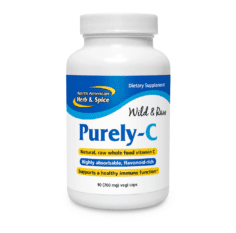
Purely-C Whole Food Vitamin C Complex | Capsules & Bulk Powder
Price range: $37.99 through $63.99 — or subscribe to save 15% Select options This product has multiple variants. The options may be chosen on the product page -

PurelyMin Magnesium Complex
$39.99 — or subscribe to save 15% Add to cart


