Walk down any supplement aisle today, and you’ll see collagen everywhere: powders, gummies, creams, drinks. Yet despite its popularity, most people still misunderstand what collagen actually does, why we lose it, and why most collagen supplements fail to deliver real results.
The word collagen comes from the Greek kólla, meaning “glue”,1 and that’s no accident. Collagen literally holds much of your body together: it’s the structural protein that gives skin its bounce, bones their tensile strength, and connective tissues their resilience.

But as we age, starting as early as our mid-20s, our natural collagen production 2begins to decline. With less glue to maintain structure, the signs of aging appear first on the surface and then deeper within: fine lines, loss of elasticity, thinning skin, joint stiffness, and reduced mobility.
This is why, for anyone 25 and older, and especially anyone over 40, collagen supplementation isn’t a beauty fad. It’s foundational maintenance.
Yet most collagen powders fall short because they don’t address the three biggest challenges the body faces with collagen supplementation:
- Digestion
- Absorption
- Utilization
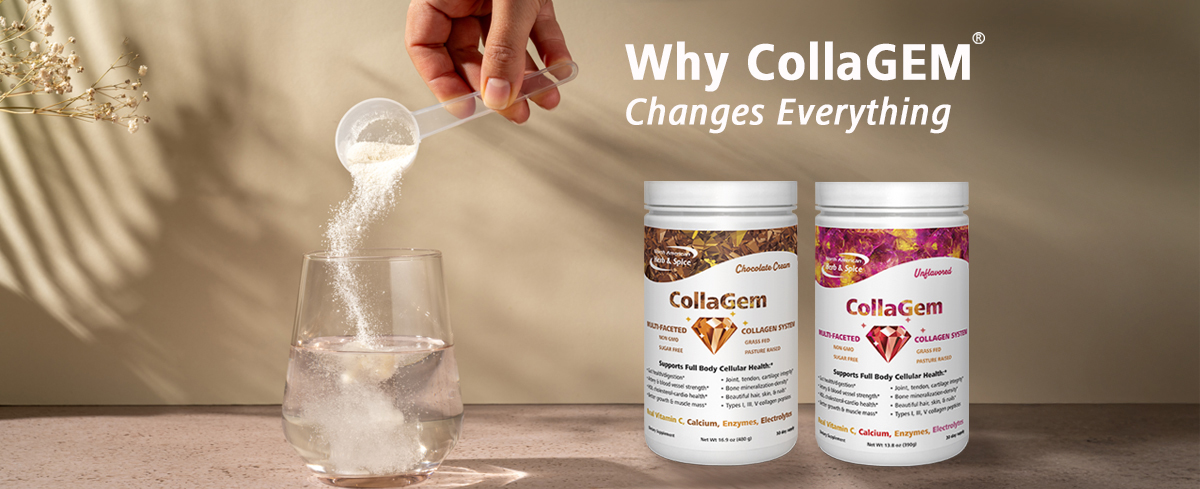
That is exactly where CollaGem® stands apart.
Why Collagen Matters for Skin and Structure
Collagen is the most abundant protein in the body, accounting for roughly 30% of total3 protein content and serving as a critical building block for skin, bones, tendons, ligaments, and more.
As the structural backbone of connective tissues, collagen provides:
- Skin elasticity, firmness, and hydration
- Strength and flexibility in joints and connective tissues
- The matrix that supports muscle, bone, cartilage, and organs

And while the numbers vary slightly by tissue type, estimates suggest that collagen makes up about 30% to 40% of the dry mass of bone,4 meaning a significant portion of skeletal integrity depends on it.
From a beauty perspective, collagen is what keeps skin from sagging, thinning, and creping. Once collagen breakdown outpaces production, visible signs of aging accelerate, which is exactly what many people start to notice after age 30.
Collagen is often associated with beauty, but that’s only part of the story. Structural support matters just as much, especially as we move through our 40s, 50s, and beyond.
The Problem With “Basic” Collagen Powders
Most collagen supplements on the market are just hydrolyzed collagen peptides, which are isolated proteins without support for effective digestion or systemic use.
Here’s the catch:
Collagen is only beneficial if your body can digest it properly and synthesize it into usable structural proteins.
Simply ingesting collagen peptides is not enough. You need the right co-factors and enzymes for digestion, absorption, and eventual collagen synthesis.
Here’s where most products fall short, and where CollaGem® pulls ahead.
CollaGem®: Engineered for Absorption, Utilization, and Results
1. Whole-Food Vitamin C From Camu Camu for Collagen Synthesis
Vitamin C isn’t just helpful, it’s essential for collagen formation.
Research shows that 5vitamin C is a required cofactor for the enzymes that catalyze the hydroxylation of proline and lysine, two amino acids that are critical steps in the formation of stable collagen molecules. Without it, collagen synthesis is impaired.

Most collagen powders either skip vitamin C or use synthetic ascorbic acid. CollaGem® uses whole-food vitamin C from Camu Camu, a natural source that delivers co-factors and nutrient complexity6, making it easier for your body to actually use collagen peptides where they’re needed most.
2. Bromelain for Digestion and Protein Absorption
Collagen is a protein, and proteins need to be properly digested before your body can absorb and utilize their building blocks.

Bromelain, a proteolytic enzyme complex derived from pineapple cores, has been studied for its ability to support the digestion and breakdown of proteins.7
Studies show that bromelain can survive digestive processes and help proteins break down into more absorbable peptides, facilitating nutrient uptake.
This means CollaGem® doesn’t just deliver collagen, it helps your body digest and use even more of it.
3. Eggshell Membrane for a Broader Spectrum of Collagen Types
Your body doesn’t use only one type of collagen.
There are 28+ types of collagen, each with different structural roles throughout the body. Many basic collagen powders provide Type I and sometimes Type II only, often leaving out others that are essential for connective tissue and skin integrity.

Eggshell membrane naturally contains a broader array of structural proteins, not just collagen peptides, but also elastin and glycosaminoglycans.8 Research shows that hydrolyzed eggshell membrane can exhibit a healthy response to inflammation activity, moisture protection,, and potential skin anti-aging effects in vitro and in human cell studies.9
Additionally, recent clinical research suggests that eggshell membrane supplementation may improve skin firmness and flexibility compared to hydrolyzed collagen alone.10 This indicates that a broader structural matrix translates to deeper results.
4. Organic Coconut Water for Hydration, Electrolytes, and Nutrient Transport

Collagen doesn’t work in isolation; it functions within a hydrated extracellular matrix.
Proper hydration and electrolyte balance are essential for nutrient transport, tissue resilience, and cellular function, especially for skin and connective tissues. Organic coconut water 11brings natural electrolytes and hydration support to CollaGem®, helping your body deliver nutrients, maintain elasticity, and support physiological balance.
Why Beauty Is the First Benefit People Notice

From a cosmetic standpoint, collagen’s role in skin elasticity, thickness, and hydration is where most people see results first, and where the research is most robust. Collagen peptides have been repeatedly associated with:
- Increased skin hydration
- Enhanced elasticity
- Reduced appearance of wrinkles
These are the signals most consumers hope for, and they’re the most visible indications of structural support.
Importantly, these benefits are most noticeable when supplementation is consistent, not sporadic. Collagen synthesis and tissue remodeling take time.
Who Should Take Collagen Daily?
If you’re:
- 25+ and noticing early signs of aging,
- 30–45 and focused on preserving skin quality,
- 40+ and interested in structural support,
- Looking for daily beauty-from-within maintenance,
Then adding a daily collagen protocol like CollaGem® is one of the most evidence-backed supplemental habits you can adopt.
The Bottom Line
Not all collagen products are created equal. Basic powders deliver peptides and nothing more.
CollaGem® was engineered for results, with digestion support, co-nutrients, and structural protein diversity. It’s not just collagen; it’s collagen that goes where it’s needed and does something once it gets there.
That’s why, for real beauty support and functional resilience, CollaGem® isn’t basic, and why daily use can make a meaningful difference over time.
Study References
- Wikipedia – Collagen (Etymology section)https://en.wikipedia.org/wiki/Collagen
- Cleveland Clinic – Collagen https://my.clevelandclinic.org/health/articles/23089-collagen
- Gelse et al, Advanced Drug DeliveryReviewshttps://pubmed.ncbi.nlm.nih.gov/18786585/
- Seeman & Delmas, Osteoporosis, https://pubmed.ncbi.nlm.nih.gov/10824235/
- Pullar et al., Nutrients, https://www.ncbi.nlm.nih.gov/pmc/articles/PMC5452224/
- Carr & Frei, The American Journal of Clinical Nutrition https://pubmed.ncbi.nlm.nih.gov/11976181/
- Pavan, Biotechnology Research International https://www.ncbi.nlm.nih.gov/pmc/articles/PMC3529416/
- Ruff et al., Nutrients (2018 Review) https://www.ncbi.nlm.nih.gov/pmc/articles/PMC6073637/
- Jung et al., International Journal of Cosmetic Science (2015) https://pubmed.ncbi.nlm.nih.gov/25903753/
- Kato et al., Clinical Interventions in Aging https://www.ncbi.nlm.nih.gov/pmc/articles/PMC4597828/
- Kalman et al., Journal International Society Sports Nutrition https://www.ncbi.nlm.nih.gov/pmc/articles/PMC5409832/
*These statements have not been evaluated by the Food and Drug Administration. This product is not intended to diagnose, treat, cure, or prevent any disease.
Explore our trending products:
-
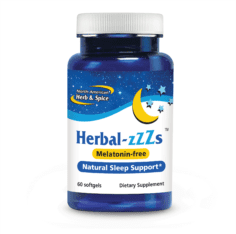
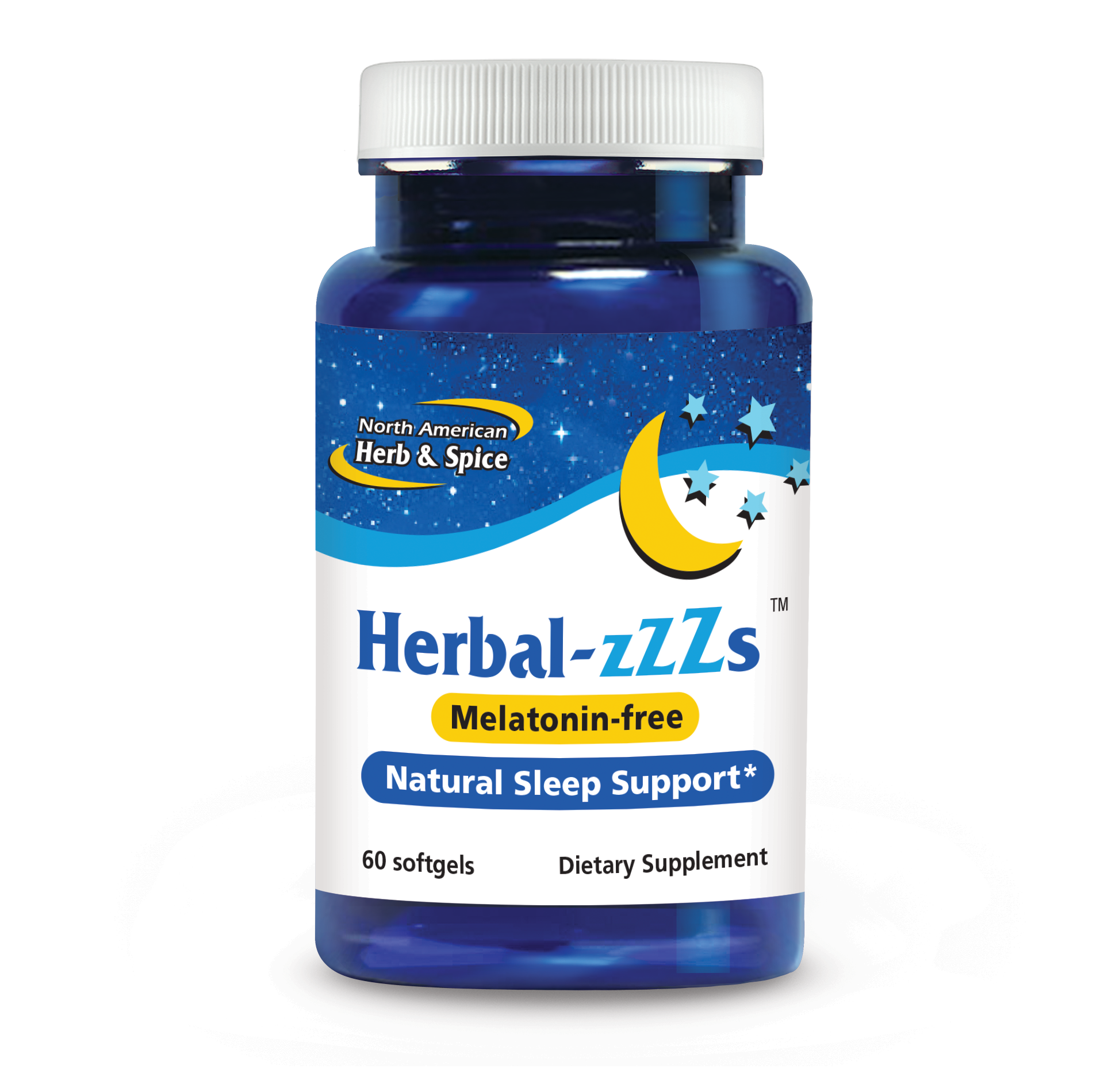
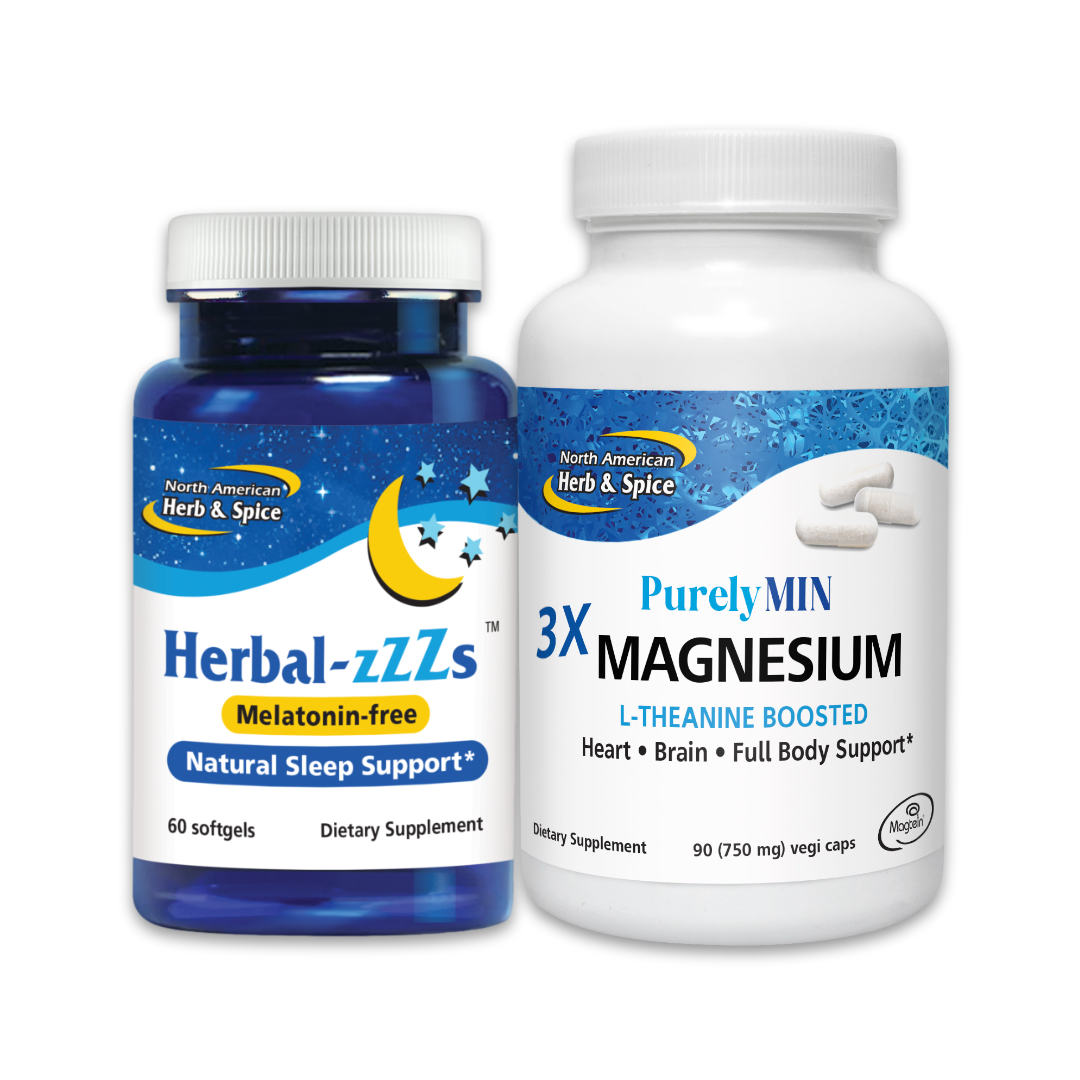
Herbal-zzZs – Melatonin-Free Sleep Support
$31.99 — or subscribe to save 15% Add to cart -
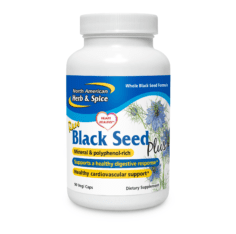
Black Seed-Plus Capsules
$29.99 — or subscribe to save 15% Select options This product has multiple variants. The options may be chosen on the product page -
Purely-C Whole Food Vitamin C Complex
$37.99 — or subscribe to save 15% Select options This product has multiple variants. The options may be chosen on the product page -
PurelyMin Magnesium Complex
$39.99 — or subscribe to save 15% Add to cart